 Pin it
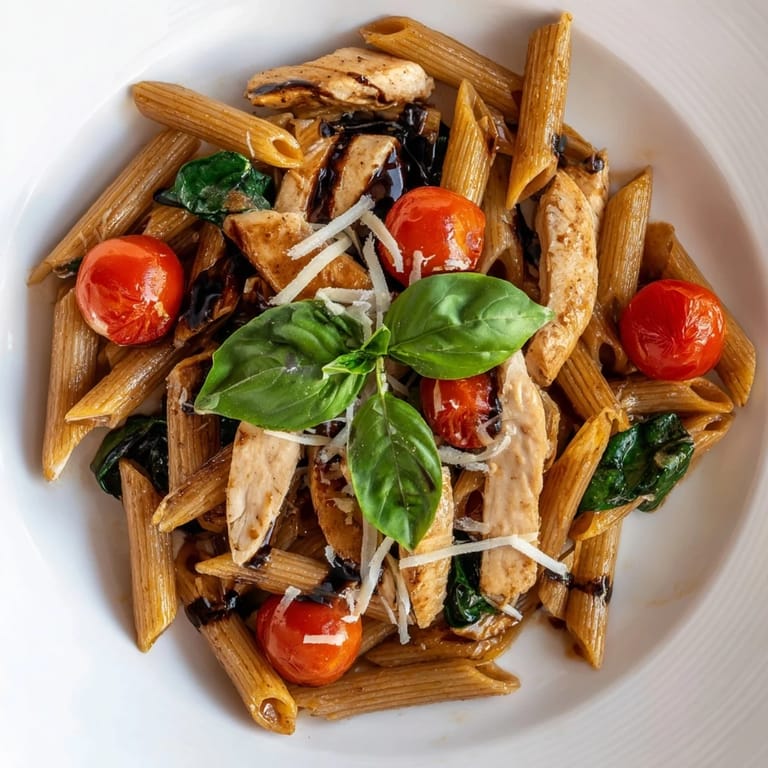
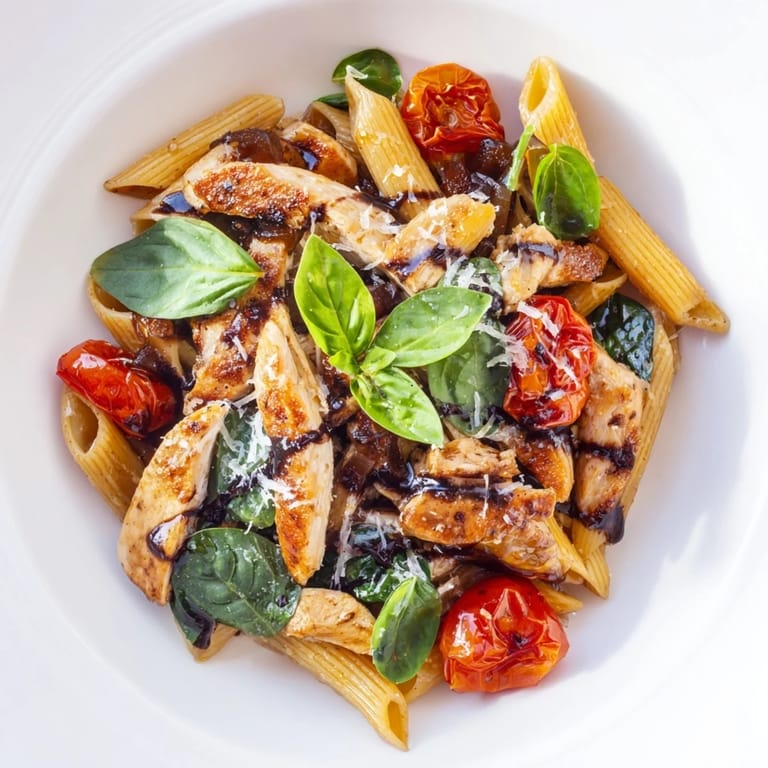
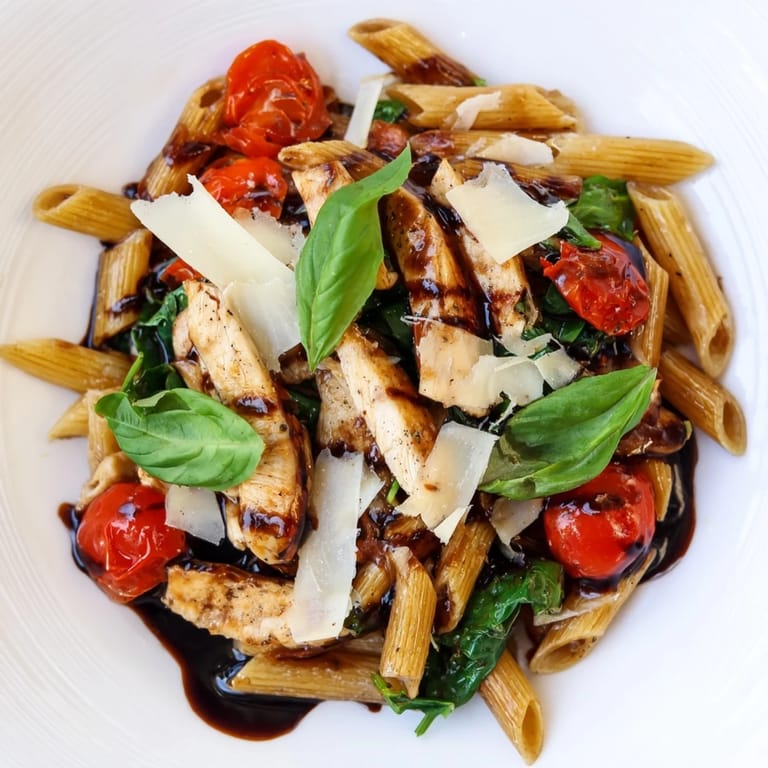
 The first time I drizzled balsamic over sizzling chicken, the smell alone made my neighbor knock on the door asking what I was cooking. That sweet, tangy aroma has a way of filling every corner of the kitchen. This pasta became my solution for nights when I wanted something that felt special without spending an hour at the stove. The glaze clings to every piece of chicken and coats the pasta in a way that makes each bite feel intentional. It's the kind of dish that looks impressive but secretly takes less effort than ordering takeout.
I made this for a friend who claimed she didn't like chicken breast because it always turned out dry. Watching her go back for seconds felt like a small victory. The trick is slicing the chicken thin so it cooks fast and stays tender, then letting that glaze work its magic. She texted me the next day asking for the recipe, and now she makes it for her own dinner guests. It's funny how one dish can change someone's mind about an ingredient they've written off for years.
Ingredients
- Boneless, skinless chicken breasts: Slicing them thin is the secret to quick cooking and tenderness, and they soak up the glaze better than thick pieces ever could.
- Penne or spaghetti: Penne traps the sauce in its ridges, but spaghetti twirls beautifully with the glaze, so pick whichever shape makes you happiest.
- Garlic: Fresh minced garlic blooms in the olive oil and becomes the aromatic backbone of the whole dish.
- Cherry tomatoes: They burst and soften into little pockets of sweetness that balance the tangy balsamic perfectly.
- Baby spinach: It wilts down in seconds and adds color and a bit of earthiness without overpowering anything.
- Olive oil: Use a good one here because it carries flavor through every step, from sautéing to finishing the sauce.
- Balsamic vinegar: The star of the glaze, it reduces into a thick, glossy coating that clings to everything it touches.
- Honey: Just a tablespoon tempers the acidity and gives the glaze a subtle sweetness that rounds out the flavor.
- Dijon mustard: It adds a quiet sharpness and helps emulsify the glaze so it coats the pasta instead of pooling at the bottom.
- Dried Italian herbs: A simple blend that seasons the chicken and ties the whole dish together without needing a spice cabinet raid.
- Salt and black pepper: Season every layer as you go, tasting and adjusting, because underseasoned chicken is a missed opportunity.
- Parmesan cheese: Freshly grated melts slightly into the warm pasta and adds a salty, nutty finish.
- Fresh basil: Torn leaves at the end bring a pop of brightness and make the dish feel like summer, even in the middle of winter.
Tired of Takeout? 🥡
Get 10 meals you can make faster than delivery arrives. Seriously.
One email. No spam. Unsubscribe anytime.
Instructions
- Boil the pasta:
- Cook your pasta in generously salted water until it still has a little bite, then scoop out half a cup of that starchy water before draining. That reserved liquid is liquid gold for bringing the sauce together later.
- Sear the chicken:
- Heat olive oil until it shimmers, then add the seasoned chicken strips in a single layer and let them sit undisturbed for a minute before stirring. You want golden edges and juicy centers, so don't crowd the pan or they'll steam instead of sear.
- Sauté the aromatics:
- Toss in the garlic and let it sizzle for just thirty seconds until your kitchen smells amazing, then add the tomatoes and let them soften and release their juices. Be careful not to burn the garlic or it'll turn bitter and ruin the base.
- Whisk the glaze:
- Combine the balsamic vinegar, honey, mustard, and remaining olive oil in a small bowl until smooth and glossy. This little mixture transforms into a rich, clingy sauce once it hits the hot pan.
- Glaze the chicken:
- Pour the balsamic mixture over the chicken and tomatoes, stirring gently as it bubbles and thickens into a shiny coating. Let it simmer just long enough to reduce slightly and intensify the flavor.
- Toss everything together:
- Add the cooked pasta and spinach to the skillet, tossing until the spinach wilts and everything is coated in that glossy sauce. Splash in some reserved pasta water a little at a time until the sauce hugs each strand or tube without being soupy.
- Finish and serve:
- Take the pan off the heat, shower it with Parmesan, and tear some basil over the top. Serve it straight from the skillet for a rustic, family style vibe that makes everyone feel welcome.
 Pin it
 This dish showed up at a potluck I hosted, and by the end of the night, the skillet was scraped clean and three people had taken photos of the recipe I scribbled on a napkin. It wasn't fancy plating or a long ingredient list that won them over, just the way the flavors worked together and made everyone reach for seconds. Sometimes the best compliment is an empty pan and a request to make it again. That's when I knew this recipe wasn't just dinner, it was something worth sharing.
Choosing Your Pasta Shape
Penne is my usual pick because those little ridges grab the glaze and trap bits of tomato and spinach inside each tube. Spaghetti works beautifully too, especially if you love twirling your fork and getting a little bit of everything in one bite. I've also tried it with rigatoni when I wanted something heartier, and the wide tubes held onto the sauce like they were made for it. Whatever shape you choose, just make sure it's cooked al dente so it doesn't turn mushy when you toss it in the skillet. The texture matters as much as the flavor here.
Making It Your Own
I've swapped the spinach for arugula when I wanted a peppery bite, and once I threw in some sun dried tomatoes because that's what I had open in the fridge. A friend of mine makes a vegetarian version with thick sliced mushrooms in place of the chicken, and she says the glaze on the mushrooms is even better. You could also add a pinch of red pepper flakes if you like a little heat, or toss in some kalamata olives for a briny twist. The recipe is forgiving, so trust your instincts and use what you have.
Storing and Reheating
Leftovers keep in the fridge for up to three days in an airtight container, though the pasta will soak up some of the sauce as it sits. When you reheat it, add a splash of water or chicken broth to the pan and warm it gently over medium heat, stirring until everything loosens up again. I've even eaten it cold straight from the fridge as a quick lunch, and the flavors hold up surprisingly well. Just don't microwave it on high or the chicken will turn tough and the pasta will dry out.
- Store in a shallow container so it cools quickly and evenly.
- Reheat on the stovetop with a little liquid to bring back the silky texture.
- Add a fresh sprinkle of Parmesan and basil after reheating to brighten it up.
 Pin it
 This is the kind of recipe that feels like a warm hug after a long day, simple enough to make on a weeknight but special enough to serve when someone you care about is coming over. I hope it finds a spot in your regular rotation the way it has in mine.
Frequently Asked Questions
- → Can I use chicken thighs instead of breast?
Yes, chicken thighs work wonderfully and stay juicier. Increase cooking time to 8-10 minutes until fully cooked through, as thighs are thicker than breasts.
- → How do I prevent the sauce from being too acidic?
The honey and Dijon mustard balance the balsamic vinegar's acidity. For milder flavor, reduce vinegar to 45 ml and add an extra tablespoon of honey.
- → What pasta shape works best?
Penne, spaghetti, and fettuccine all work well. Use shapes with ridges or texture to better capture the balsamic glaze.
- → Can I make this ahead?
Prepare components separately—marinate chicken, make glaze, cook pasta. Combine just before serving for best texture. The finished dish doesn't hold well due to pasta absorption.
- → What's the purpose of reserved pasta water?
Pasta water contains starch that emulsifies with oil and sauce, creating a silky coating on the pasta. It helps adjust sauce consistency without diluting flavor.
- → Is this dish naturally gluten-free?
No, regular pasta and Dijon mustard contain gluten. Use certified gluten-free pasta and mustard for a gluten-free version. All other ingredients are naturally gluten-free.