 Pin it
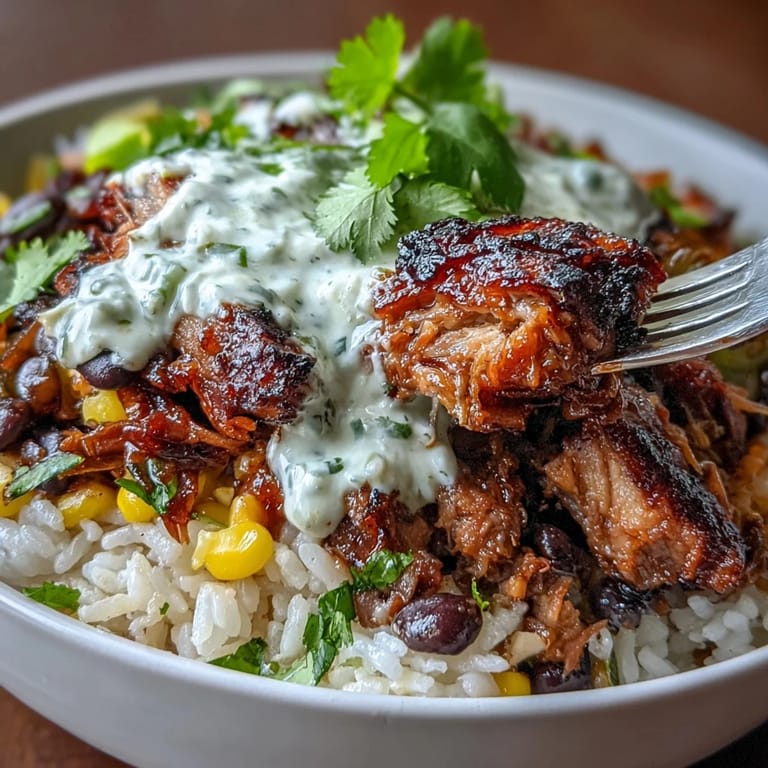
 My kitchen smelled like citrus and cumin for hours the first time I committed to making carnitas at home, and honestly, I was skeptical that a slow cooker could deliver anything close to the deeply browned, fall-apart meat I remembered from a taquería in Oaxaca. But something shifts when you layer orange juice, lime, and spices over pork shoulder and let time do the heavy lifting—the smell alone convinced my entire household that dinner was going to be worth the wait. Now these bowls are what I reach for when I want something that feels both celebratory and completely unpretentious.
I served these to friends on a Saturday evening when nobody felt like going out, and watching people assemble their own custom bowls turned the whole thing into something relaxed and communal. Someone asked about the lime crema mid-bite, and when I explained it was just five ingredients whisked together, they looked genuinely surprised—like restaurant-quality meals weren't supposed to be this approachable. That moment stuck with me, this quiet proof that good food doesn't require complicated technique, just thoughtful choices.
Ingredients
- Pork shoulder (1.5 lbs): This cut has just enough fat to stay juicy during the long cook and enough marbling to develop serious flavor when shredded—avoid leaner cuts that dry out.
- Orange and lime juice: These aren't just acid; they're the backbone of the marinade's brightness, tenderizing the meat while adding complexity that store-bought seasoning mixes can't touch.
- Ground cumin and dried oregano: These warm spices build depth and aren't overpowering—they whisper rather than shout, which is why the pork tastes like itself with enhancements, not like a spice jar exploded on it.
- Long-grain white rice: Fluffy rice absorbs the bowl's juices without turning mushy, giving you a sturdy base that won't collapse under the weight of toppings and crema.
- Black beans: Rinsing canned beans removes excess sodium and that tinny taste, bringing their natural earthiness forward so they complement rather than compete with the carnitas.
- Sour cream for crema: The tang cuts through richness and cools down the spices, creating balance that makes you want another bite instead of reaching for water.
Tired of Takeout? 🥡
Get 10 meals you can make faster than delivery arrives. Seriously.
One email. No spam. Unsubscribe anytime.
Instructions
- Layer and season your pork:
- Toss the chunks directly in the slow cooker with all your spices, citrus, and aromatics—this isn't the time to be delicate; rough, generous coating ensures every piece gets flavor exposure. Don't worry about browning the meat first; the slow cooker's low, moist heat creates tenderness that a hot pan would actually fight against.
- Cook low and slow:
- Seven to eight hours on low is ideal, though three to four hours on high works in a pinch—you're aiming for meat that shreds with just a fork, no knife required. The longer cook develops deeper flavor, so if you have the time, take it.
- Shred and crisp (optional but recommended):
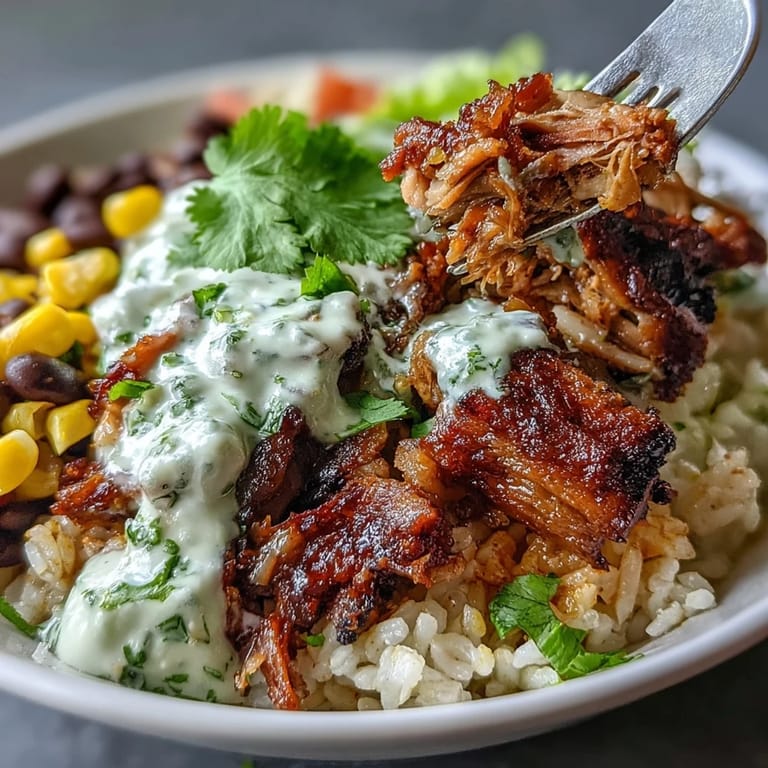
- Pull the pork apart with two forks while it's warm, and if you want caramelized edges that add textural contrast, blast it under the broiler for three to five minutes until golden spots appear. This step transforms tender meat into something with personality.
- Make your rice the simple way:
- Rinsing rice removes excess starch that makes it gummy—this one habit changes everything. Bring water to a boil, add rice, cover, lower the heat, and don't lift the lid for fifteen minutes; steam does the cooking, not aggressive bubbling.
- Whisk your crema until smooth:
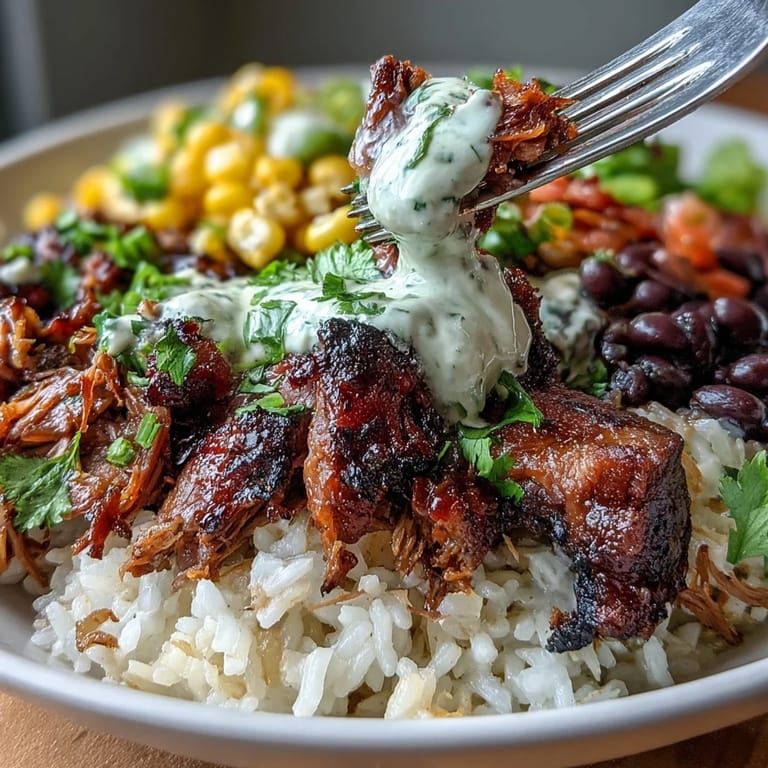
- Sour cream, lime juice, zest, and a pinch of salt—this takes maybe two minutes and creates something that tastes far more refined than its ingredient list suggests. Chill it if you have time, but room temperature works fine too.
- Assemble with intention:
- Start with rice as your anchor, then arrange beans, corn, and lettuce in sections so each spoonful gets a little of everything. Top with generous carnitas and drizzle with crema just before eating so it clings to the warm toppings rather than pooling at the bottom.
 Pin it
 There's something grounding about a bowl this complete, where every component has a reason and nothing feels like filler. The first time someone told me they'd made this for themselves on a random Tuesday and felt like they'd given themselves something small but real, I understood why it's become my answer to 'what should I cook when I need comfort but also something that tastes bright?'
Why Carnitas Matter Here
Carnitas are fundamentally about patience and time converting tough meat into something tender—they're the opposite of rush, which is why they feel luxurious even though the ingredient list is humble. The slow cooker does 99% of the work, but that final optional crisp in the broiler or skillet is where the dish gets its personality; you're adding contrast and visual appeal with just a few minutes of attention. Once you've tasted homemade carnitas, store-bought rotisserie chicken starts feeling like a shortcut, even though everyone respects that shortcut.
Building Your Custom Bowl
The beauty of a burrito bowl is that the framework is solid, but the details are entirely yours to edit based on what you have or what you're craving that day. I've added avocado slices when they were perfect, pickled red onions for sharpness, even roasted jalapeños for heat—each addition either enhances or transforms, never diminishes. Think of rice and carnitas as your non-negotiable foundation, then let the rest of the bowl become a conversation with your pantry and mood.
Storage, Reheating, and Leftovers
These bowls build beautifully from components that actually improve when made ahead—carnitas taste richer the next day, rice holds up fine in the fridge, and beans benefit from time to absorb flavors. Assemble fresh rather than storing as a mixed bowl, or the lettuce will wilt and the rice will absorb all the liquid. You can confidently make carnitas three days ahead, store them in their cooking liquid, and reheat gently in a skillet with a splash of that liquid to restore tenderness.
- Keep the lime crema separate until serving so it stays silky instead of breaking down with time and acidity.
- Fresh toppings like cilantro and lime wedges go on at the last moment so they add brightness rather than wilting into the warm components.
- Leftover carnitas are incredible in tacos, quesadillas, or even tossed into scrambled eggs for breakfast the next morning.
 Pin it
 This bowl is the kind of meal that reminds you why cooking at home matters—not because it's complicated or takes professional skill, but because you end up with something that tastes intentional and feeds more than just hunger. Make it this weekend, and I promise you'll think about it again when you need something that feels both generous and achievable.
Frequently Asked Questions
- → How long should the pork be cooked for optimal tenderness?
Cooking pork shoulder on low for 7–8 hours or on high for 3–4 hours ensures tender, easily shredded meat.
- → Can the shredded pork be crisped after slow cooking?
Yes, for added texture, shredded pork can be crisped under a broiler or in a hot skillet for a few minutes until edges turn golden.
- → What is the best way to prepare the rice component?
Rinse the rice before cooking, then simmer in salted water until tender. Allow it to rest briefly before fluffing with a fork.
- → How is the lime crema made and used?
Lime crema combines sour cream with fresh lime juice and zest, plus a pinch of salt. It’s chilled and drizzled over the assembled bowl for a bright, tangy finish.
- → Are there any suggestions for garnishes or additions?
Fresh cilantro and lime wedges garnish the bowl, and avocado slices or pickled red onions can be added for extra flavor and texture.