 Pin it
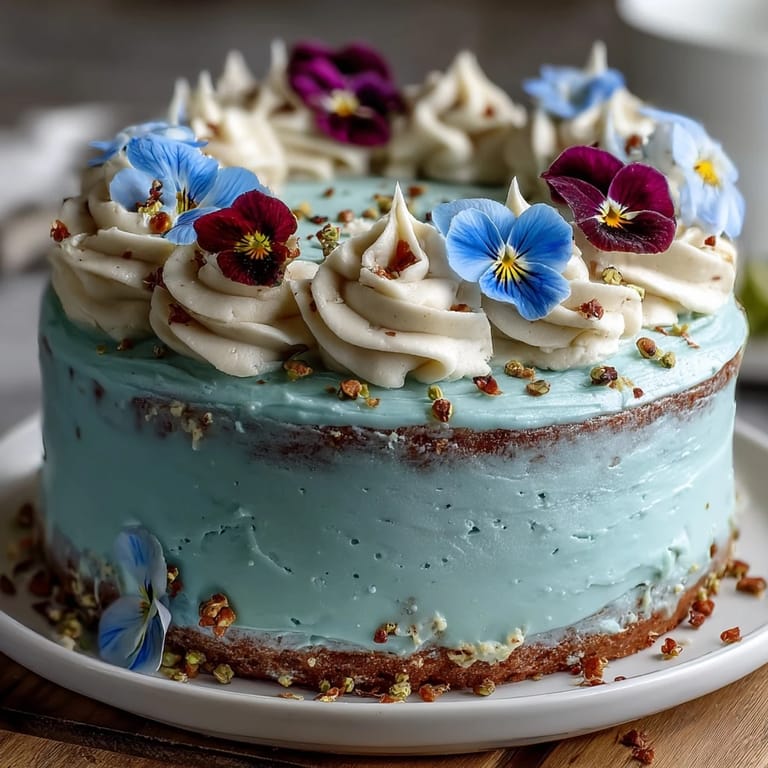
 My sister called me three days before her birthday asking if I could make something that looked like it came from a fancy bakery—something nobody would expect from a home kitchen. I found myself sketching tiny layer cakes on a napkin, imagining delicate vanilla and lemon sponges crowned with pastel buttercream and real edible flowers. That afternoon, I discovered these mini cakes aren't just beautiful; they're surprisingly forgiving to make, and watching someone's face light up when they realize you baked something this polished changes everything about why you cook.
I'll never forget assembling these for the first time at my kitchen counter, my hands getting sticky with buttercream while my niece watched from the doorway. She was quiet for a moment, then asked if the flowers were real—and when I said yes, she grinned like I'd just revealed a secret. That's when I realized these cakes do something most desserts don't: they make people feel genuinely delighted before they even taste them.
Ingredients
- All-purpose flour (1 1/4 cups): Use the spoon-and-level method rather than scooping straight from the bag—it prevents dense, heavy cakes that nobody wants to eat.
- Baking powder (1 tsp): This is what gives the sponge its tender crumb; don't skip it or substitute with baking soda alone.
- Unsalted butter (1/2 cup for cake, 3/4 cup for buttercream): Room temperature butter incorporates air more easily, creating a lighter structure.
- Granulated sugar (3/4 cup): This dissolves into the batter and helps the cake stay moist.
- Eggs (2 large, room temperature): Cold eggs won't blend smoothly with the butter and sugar, leading to a grainy texture.
- Pure vanilla extract (1 tsp cake, 1 tsp buttercream): The real stuff matters here—imitation vanilla tastes thin compared to the delicate flavor profile.
- Lemon zest (1/2 tsp): Fresh lemon zest brightens the entire cake; bottled won't deliver the same punch.
- Whole milk (1/2 cup): Room temperature milk creates a smoother batter and prevents the dough from seizing up.
- Powdered sugar (2 cups, sifted): Sifting removes lumps and creates silky buttercream without any grittiness.
- Edible flowers (1 cup): Source these from specialty food suppliers or farmers markets where you can verify they haven't been treated with pesticides.
Tired of Takeout? 🥡
Get 10 meals you can make faster than delivery arrives. Seriously.
One email. No spam. Unsubscribe anytime.
Instructions
- Set your stage:
- Preheat the oven to 350°F and line your baking sheet with parchment paper so nothing sticks. Having everything ready before you start mixing means you won't be scrambling later.
- Build the dry mixture:
- Whisk flour, baking powder, and salt together in a medium bowl. This distributes the leavening evenly throughout.
- Cream the butter and sugar:
- Beat them together for about three minutes until the mixture turns pale and fluffy—this is when air gets incorporated and your cakes become tender. You'll notice the color shift; that's your signal it's ready.
- Add the eggs one at a time:
- Beat well after each egg so they emulsify into the butter. This takes about a minute per egg, but it matters for the final texture.
- Introduce vanilla and lemon:
- Stir in the vanilla extract and lemon zest, letting the bright citrus scent fill your kitchen. This is when you know good things are coming.
- Alternate the dry and wet ingredients:
- Add half the flour mixture, then the milk, then the remaining flour, mixing gently after each addition. Overmixing at this point develops gluten and creates a tough cake, so restrain yourself.
- Spread and bake:
- Pour the batter onto your prepared sheet and smooth it into an even layer. Bake for 18–22 minutes until a toothpick comes out clean and the edges are just starting to pull away from the pan.
- Cool completely:
- Let the cake rest on the counter until it reaches room temperature—this prevents the buttercream from melting when you assemble. Patience here pays off.
- Cut your circles:
- Use a 2.5–3 inch round cutter to stamp out 12 circles from the cooled cake. Save all your scraps; they'll become cake pops or trifle later.
- Make the buttercream:
- Beat softened butter until creamy, then gradually add sifted powdered sugar, vanilla, salt, and a tablespoon of milk. Beat until fluffy and pale, adding a splash more milk if needed for spreading consistency.
- Tint if desired:
- Add a tiny drop of pastel food coloring and beat until evenly colored. Pastel shades feel more sophisticated than bright colors.
- Stack and spread:
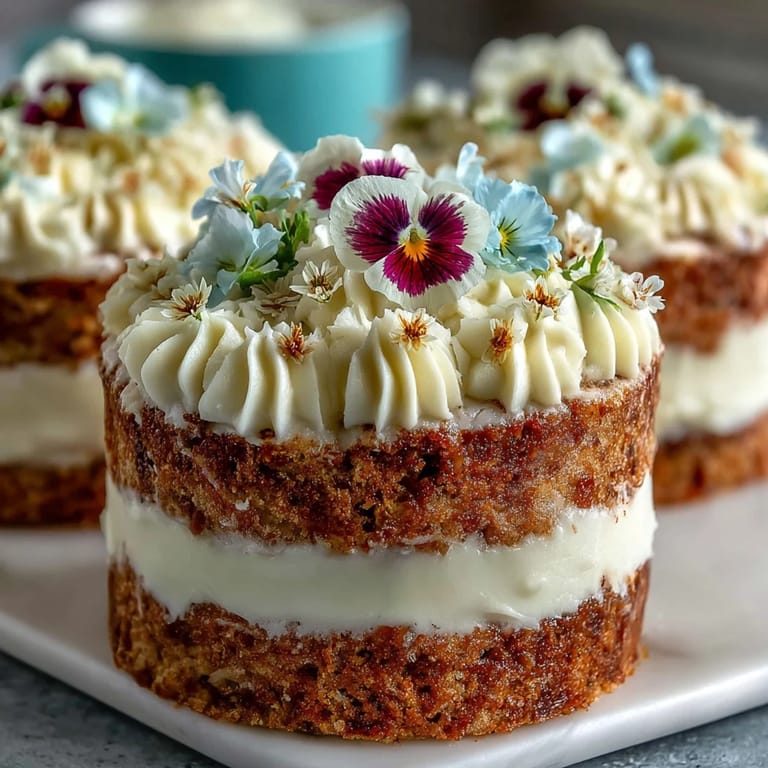
- Place one cake round on a plate, spread with buttercream, top with another round, and add another thin layer of buttercream. Keep the layers even and the frosting generous but not sloppy.
- Crown with flowers:
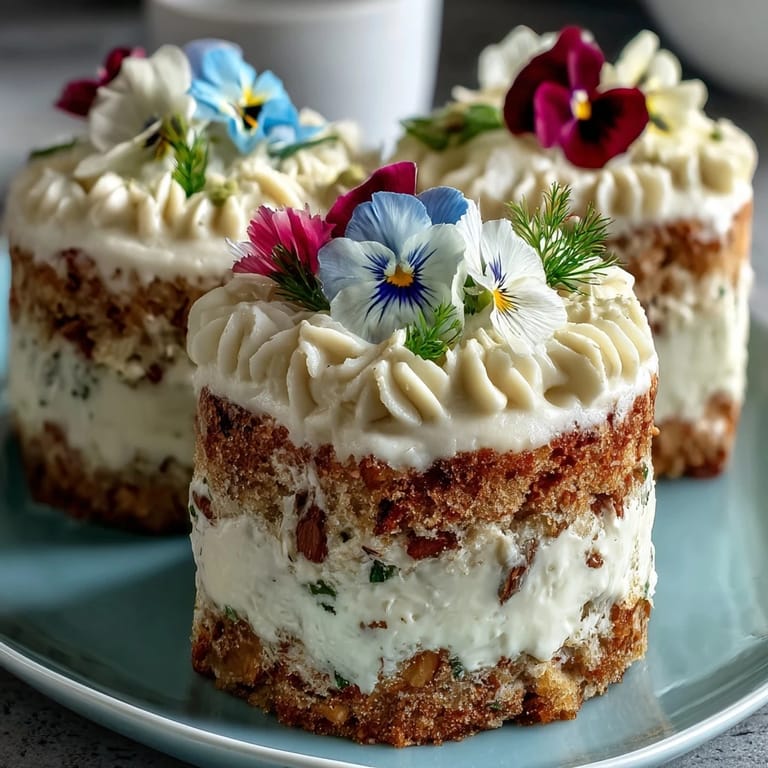
- Pipe or spread a small mound of buttercream on top and arrange edible flowers artfully across the surface. Let your instincts guide you; there's no wrong way to make this beautiful.
- Chill before serving:
- Refrigerate for 15 minutes so the buttercream sets and the flavors meld slightly. This makes the cake easier to pick up and eat, and it tastes even better slightly cool.
 Pin it
 There's a moment when you're arranging the final flower on the last cake and you step back to look at all six sitting there together—suddenly you're not just the person who baked something, you're the person who created six small works of art. These cakes remind you that celebration deserves that kind of care.
Why Edible Flowers Make All the Difference
Edible flowers do something technical and something emotional at the same time. Technically, they add visual interest that makes simple buttercream look restaurant-worthy. Emotionally, they signal that this dessert was made with intention and thought. The first time someone bites into a cake topped with a real violet or nasturtium, they understand immediately that this isn't a box mix—it's something crafted for them.
The Lemon-Vanilla Balance
I learned early on that lemon zest matters more than lemon juice in these cakes. The zest brings bright, aromatic notes without adding moisture that would throw off the cake structure. Vanilla acts as an anchor, keeping the lemon from tasting too sharp or perfumy. Together, they create a flavor that feels delicate but not boring—exactly what you want in something this pretty.
Scaling and Storage Tips
Making six individual cakes teaches you something valuable: small batches of batter bake faster and more evenly than one large cake. The thin sheet of batter bakes in 20 minutes flat, meaning you can go from mixing bowl to assembled dessert in under two hours if you stay focused. These cakes keep well in the fridge for two days, and the buttercream actually sets up beautifully when chilled, making them easier to handle and more pleasant to eat.
- Make the cakes and buttercream a day ahead if you want to reduce stress on the day of celebration.
- Add edible flowers as close to serving time as possible so they stay perky and colorful.
- If you need more than six cakes, this recipe doubles easily—just use a larger baking sheet and add a few minutes to the bake time.
 Pin it
 These mini cakes taught me that celebration doesn't have to be complicated to be meaningful. Something small and thoughtfully decorated can make someone's whole day brighter.
Frequently Asked Questions
- → What type of flowers are safe for decorating these cakes?
Use edible flowers such as violas, pansies, and nasturtiums that are pesticide-free and sourced from reputable suppliers to ensure safety.
- → How can I achieve pastel colors for the buttercream?
Gradually add food coloring in soft pastel shades to the whipped buttercream, mixing gently until the desired hue is reached.
- → What is the best way to cut uniform mini cake layers?
After baking and cooling, use a 2.5–3 inch round cutter to cut out even circles for consistent mini cake sizes.
- → Can I prepare these cakes ahead of time?
Yes, assemble and chill the mini cakes for at least 15 minutes before serving to enhance texture and flavor.
- → Are there ingredients that could cause allergies in these cakes?
They contain wheat, eggs, and dairy. Some edible flowers might also affect sensitive individuals, so check flower types carefully.