 Pin it
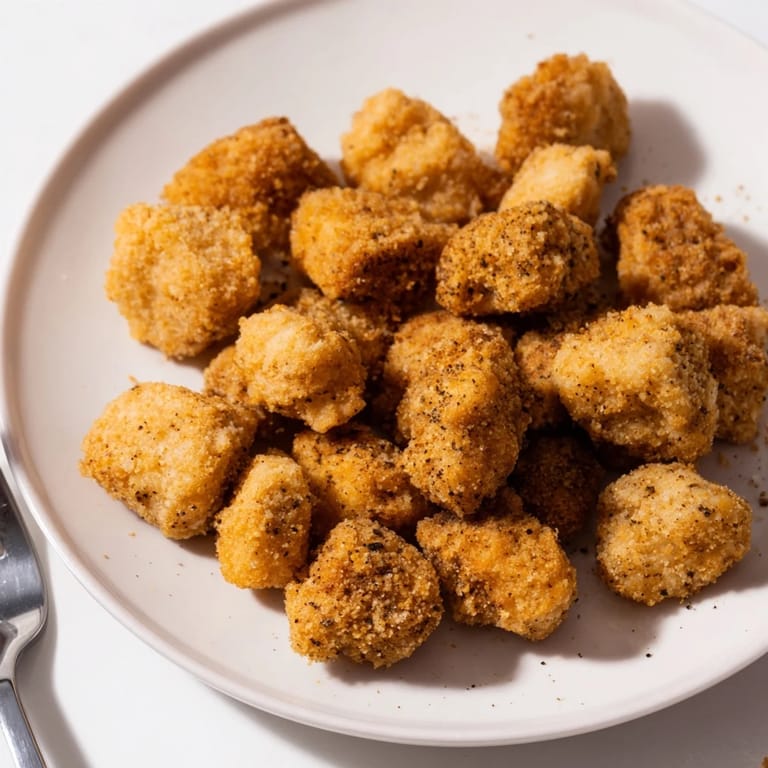
 My roommate came home one evening with a container of those crispy popcorn chicken nuggets from the fast-food place down the street, and I remember thinking there had to be something simple I was missing—they tasted restaurant-perfect but couldn't possibly require secret ingredients. Turns out, the magic was just buttermilk, a double-dip technique, and oil hot enough to seal in all the juices before the coating turned golden. Now I make these whenever I want that exact same crispy-outside, impossibly-tender-inside bite, except better because I control what goes into them.
Last summer I brought a batch to a backyard barbecue, and they were gone before the hamburgers even came off the grill—my friend's kid grabbed a handful and then asked for seconds before anyone else had even taken one. That moment taught me these aren't just snacks; they're the kind of food that breaks down barriers at a table because everyone wants them, whether they're five or fifty.
Ingredients
- Boneless, skinless chicken breast or thigh (500 g): Thighs stay juicier if you're not careful with timing, while breasts cook faster—pick based on how much you trust your oil temperature.
- Buttermilk (120 ml): This is non-negotiable; it's not just seasoning the chicken, it's tenderizing it and creating a tacky surface that holds the breading.
- Garlic powder, onion powder, paprika (1 tsp each), plus salt and pepper: These flavors go into both the marinade and breading, so they build layers—taste as you go with the flour mixture because salt is personal.
- All-purpose flour and cornstarch (150 g and 50 g): The cornstarch is the secret to extra crispiness; it fries differently than flour alone and gives you that shattering texture.
- Baking powder (1 tsp): This creates tiny bubbles in the coating that lighten it and make it crispier—skip it and you lose something important.
- Cayenne pepper (optional): A little heat cuts through the richness, but start with a quarter teaspoon if you're unsure because it builds as things cook.
- Vegetable oil: Use something neutral like canola; olive oil burns at these temperatures and changes the flavor.
Tired of Takeout? 🥡
Get 10 meals you can make faster than delivery arrives. Seriously.
One email. No spam. Unsubscribe anytime.
Instructions
- Marinate the chicken:
- Toss your chicken pieces with the buttermilk and all those spices—garlic, onion, paprika, salt, and pepper—in a bowl, then cover and let it sit in the fridge for at least 30 minutes. I usually do this while I'm prepping other things, and if you have time, four hours is even better because the buttermilk really gets into the meat.
- Mix your breading:
- In another bowl, whisk together the flour, cornstarch, baking powder, paprika, salt, cayenne, and black pepper until it's evenly combined with no lumps. Set it aside because you'll use it twice if you want maximum crispiness.
- Heat the oil:
- Get your deep fryer or a heavy pot of vegetable oil to 180°C (350°F)—use a thermometer because eyeballing this step is where things go wrong. The oil should shimmer and move easily, but it shouldn't be smoking.
- Bread and double-dip:
- Pull chicken pieces from the buttermilk one at a time, let the excess drip off, then coat completely in the flour mixture. For that restaurant-level crispiness, dip the floured chicken back into the buttermilk and coat again in flour—it's an extra step but it changes everything.
- Fry in batches:
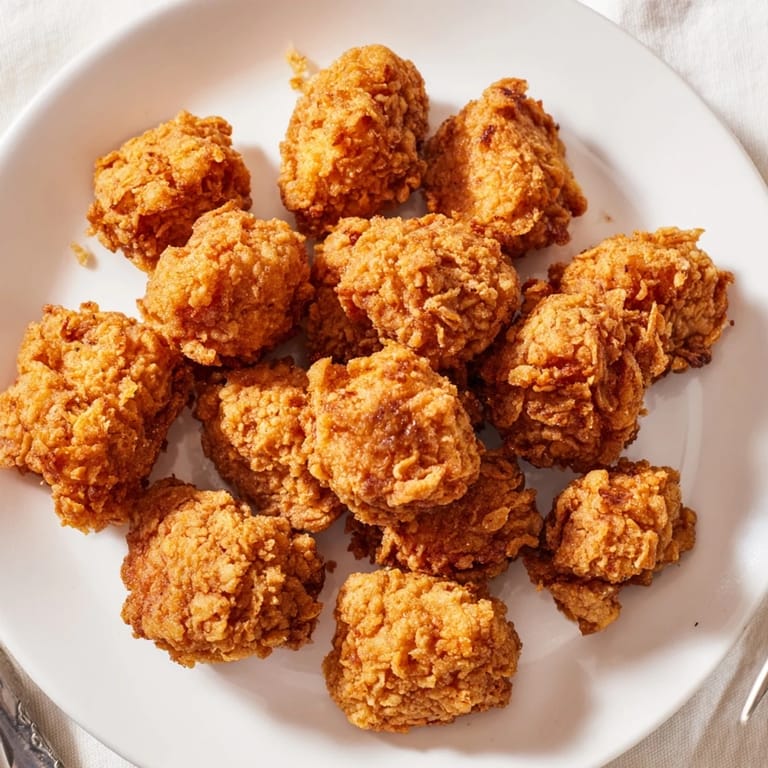
- Carefully lower chicken pieces into the hot oil without crowding them, which drops the temperature and makes them greasy instead of crispy. Fry for 3–4 minutes per batch until they're golden brown and the chicken inside is cooked through—you can test one by cutting it open if you're nervous.
- Drain and rest:
- Use a slotted spoon to pull them out and let them drain on a wire rack or paper towels so they stay crispy on the bottom instead of steaming themselves soggy.
 Pin it
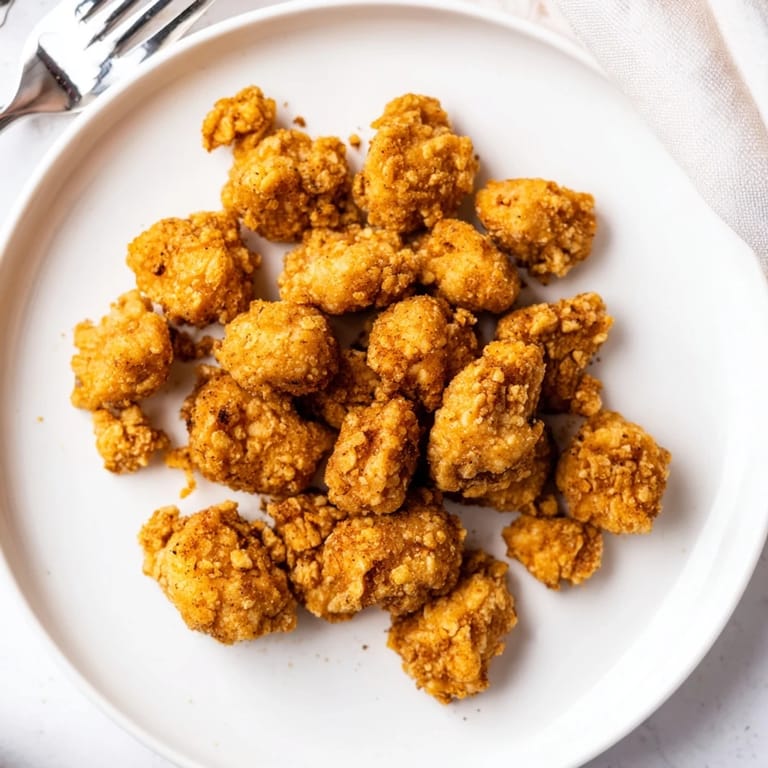
 There's something almost meditative about watching these pieces turn from pale to golden in the oil—the way they bob and the exact moment the coating locks in is oddly satisfying. I realized these bites aren't special because they're complicated; they're special because a few small techniques, done right, turn simple chicken into something people actually get excited about.
Dipping Sauce Pairings That Matter
The chicken is amazing on its own, but a good dipping sauce turns them from snack into experience. Ranch is the obvious choice—creamy and cooling against the crispy heat—but I've learned that a spicy honey mustard with just a whisper of heat opens up flavors in the chicken you didn't know were there. Barbecue sauce works too if you want something sticky and smoky, and honestly, even a simple garlic mayo changes the whole vibe.
Why the Double Technique Works
That second dip into buttermilk and flour might seem unnecessary, but it's the difference between standard fried chicken and the kind that shatters when you bite it. The extra layer fries separately from the first coat, creating little air pockets and uneven surfaces that crisp up instead of sealing smooth. I didn't understand this until my third batch, when I did it by accident and immediately noticed the difference—now it's habit.
Storage and Reheating
Leftover popcorn chicken keeps in an airtight container in the fridge for three days, though honestly they rarely last that long in my house. To reheat, spread them on a baking sheet and warm at 180°C for about five minutes—you'll get the crispiness back, unlike microwaving which just makes them chewy. Fresh is always better, but having a batch ready to reheat means snack cravings are solved before they start.
- Don't refrigerate warm chicken in a sealed container or steam makes them soggy—let them cool completely first.
- If you're making these for a party, you can prep and marinate the chicken the night before, then fry everything the same day.
- Freeze uncooked breaded chicken on a tray before transferring to a bag, and you can fry them straight from frozen—just add a minute or two to the cooking time.
 Pin it
 These popcorn chicken bites prove that sometimes the best food isn't complicated—it's just a few things done right, with a little care at the right moments. Make a batch, share them with someone, and watch their face when they realize you made them.
Frequently Asked Questions
- → What cut of chicken works best for popcorn chicken?
Boneless, skinless chicken breast or thigh cut into small, uniform pieces ensures even cooking and juicy texture.
- → How does the buttermilk marinade affect the chicken?
Buttermilk tenderizes the chicken and helps the seasoning penetrate, resulting in a juicy and flavorful bite.
- → What gives the crust its extra crispiness?
A combination of flour, cornstarch, and baking powder in the breading creates a light, crunchy crust when fried.
- → Can the spice level be adjusted?
Yes, adding more cayenne pepper or chili powder to the breading mix increases heat according to preference.
- → What oil is recommended for frying?
Use vegetable oil or another neutral oil with a high smoke point for deep frying to achieve a golden, crispy finish.
- → How can I keep the bites crispy after frying?
Drain on a wire rack instead of paper towels to avoid steam softening the crust and serve promptly for best texture.