 Pin it
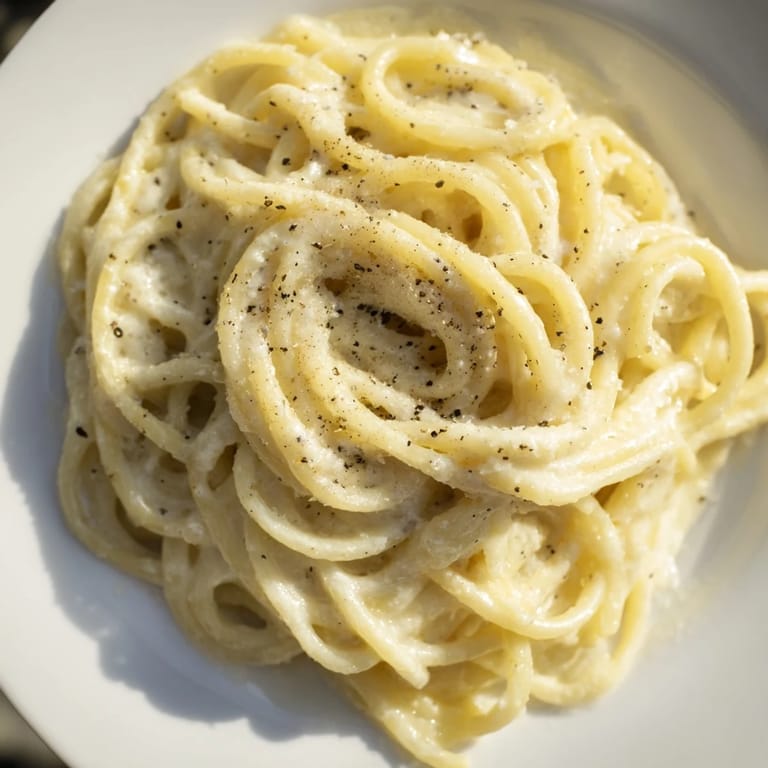
 The steam rising from a skillet at midnight, the sharp tang of Pecorino hitting my nose, the way the pasta water turned cloudy and alive—that was the night I finally understood what Roman cooks mean when they say less is more. I'd been overcomplicating pasta for years, layering sauces and add-ins, until a friend challenged me to make something with only three ingredients. Cacio e pepe sounded laughably simple on paper, but the first time I watched that cheese seize into a grainy mess instead of melting into silk, I realized this dish demands respect. It taught me that technique, not a long ingredient list, is what turns ordinary pantry staples into something you'd cross a city for. Now it's my go-to whenever I want to feel connected to centuries of cooks who perfected this exact dance of heat, starch, and timing.
I made this for my sister after she came home exhausted from a long shift, too tired to even think about food. She sat at the counter while I worked, and I remember the way her eyes widened when she took the first bite, like she'd forgotten what it felt like to enjoy something simple. We didn't talk much that night, just twirled our forks and listened to the rain outside. She told me later it was exactly what she needed, not because it was fancy, but because it tasted like care without trying too hard. That's the thing about cacio e pepe—it doesn't shout, it whispers, and somehow that makes it even more memorable.
Ingredients
- Spaghetti (400 g): The traditional choice for this dish because its smooth surface and round shape hold the creamy sauce beautifully, and cooking it just to al dente ensures it finishes perfectly in the skillet.
- Pecorino Romano cheese (120 g, finely grated): This is the soul of the dish, bringing a sharp, salty punch that defines cacio e pepe, and grating it fresh yourself prevents anti-caking agents from ruining the sauce.
- Freshly cracked black pepper (2 tsp, plus extra): Toasting whole peppercorns and cracking them just before cooking releases oils that fill your kitchen with warmth and gives the dish its signature bite.
- Salt: Used only for the pasta water, it seasons the spaghetti from within and contributes to the starchy liquid that makes the sauce come together.
Tired of Takeout? 🥡
Get 10 meals you can make faster than delivery arrives. Seriously.
One email. No spam. Unsubscribe anytime.
Instructions
- Boil the Pasta:
- Bring a large pot of salted water to a rolling boil, then add the spaghetti and cook until just al dente, remembering to scoop out a full cup of that cloudy, starchy pasta water before you drain. This water is liquid gold for your sauce, so don't skip this step.
- Toast the Pepper:
- While the pasta cooks, warm a large skillet over low heat and add the freshly cracked black pepper, letting it toast for a minute or two until it smells nutty and fragrant. You'll know it's ready when the aroma makes you lean in closer.
- Build the Base:
- Pour about half a cup of the reserved hot pasta water into the skillet with the toasted pepper and let it simmer gently. This step blooms the pepper and creates the foundation for your creamy sauce.
- Toss the Spaghetti:
- Add the drained spaghetti directly to the skillet and toss it with tongs, coating every strand in the peppery water. Work quickly here, keeping the heat low so the cheese won't seize when you add it.
- Create the Sauce:
- Sprinkle in the grated Pecorino Romano a handful at a time, tossing and stirring vigorously in a circular motion until the cheese melts into a silky, clinging sauce, adding splashes of reserved pasta water whenever it looks too thick. The key is constant motion and patience, letting the starch and cheese become one creamy coating.
- Serve Immediately:
- Plate the spaghetti right away, finishing each serving with an extra shower of Pecorino and a few more cracks of black pepper. Cacio e pepe waits for no one, so gather everyone to the table while it's still steaming.
 Pin it
 One evening I made this for a small dinner party, and everyone went quiet after the first bite, which is always a good sign. My friend Marco, who grew up in Rome, closed his eyes and said it tasted like his grandmother's version, which felt like the highest compliment I'd ever received. We finished two bottles of wine that night and kept going back for seconds, scraping the skillet with crusty bread until there was nothing left. It's funny how a dish this simple can turn a regular Tuesday into something people remember months later.
Choosing Your Cheese
Pecorino Romano is traditional and non-negotiable if you want the authentic sharp, salty flavor that defines this dish, but I've learned that not all Pecorino is created equal. Some blocks are aged longer and taste almost aggressively tangy, while younger wheels are milder and creamier, so taste a shaving before you commit. If you absolutely can't find good Pecorino, Parmigiano Reggiano will give you a gentler, nuttier sauce that's still delicious, just not quite the same Roman experience. I always buy a wedge from the cheese counter rather than grabbing pre-packaged stuff, because the difference in moisture and flavor is night and day. Keep any leftover cheese wrapped tightly in the fridge, and it'll reward you with countless more batches of this magic.
Getting the Texture Right
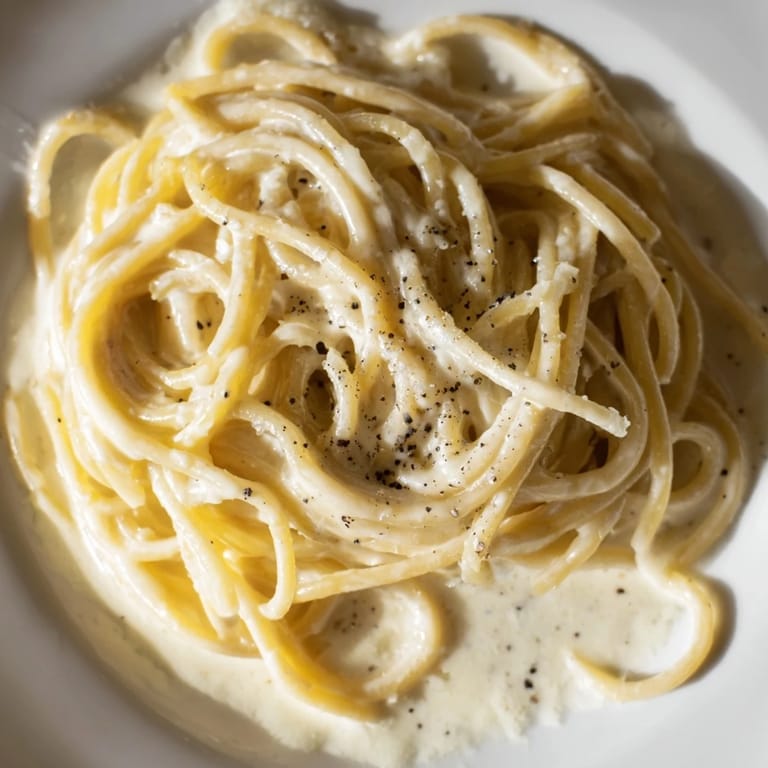
The creaminess of cacio e pepe comes entirely from the emulsion of starchy pasta water and finely grated cheese, not from cream or butter, which means the texture lives or dies by your technique. I used to add the cheese all at once and wonder why it turned into rubbery strings, until I learned to sprinkle it in gradually while tossing constantly, almost like you're whipping the pasta. The motion matters as much as the heat—vigorous stirring creates friction that helps the fat and water bind into a glossy sauce. If it looks too thick and starts clinging to itself instead of the pasta, a tablespoon of hot pasta water will loosen it back into silky perfection. I also learned the hard way that letting it sit even for a minute causes the sauce to tighten and lose that luxurious flow, so plate and serve without hesitation.
Pairing and Serving Ideas
Cacio e pepe shines brightest when it's the star of the meal, but I like to serve it alongside a simple arugula salad dressed with lemon and olive oil to cut through the richness. A crisp white wine like Vermentino or Pinot Grigio complements the salty cheese and peppery heat without competing, and I've also had great luck with a light, chilled rosé on warmer evenings. If you want to make it feel more like a feast, start with some marinated olives and crusty bread, then let the pasta take center stage. The dish is filling enough on its own for a weeknight dinner, but it also works beautifully as a first course before something grilled or roasted.
- Top with a drizzle of your best olive oil just before serving for an extra layer of richness and a glossy finish.
- Add a handful of toasted breadcrumbs for textural contrast if you're feeling playful, though purists might side-eye you.
- Leftovers can be gently reheated in a skillet with a splash of water or broth, though it's always best eaten fresh from the pan.
 Pin it
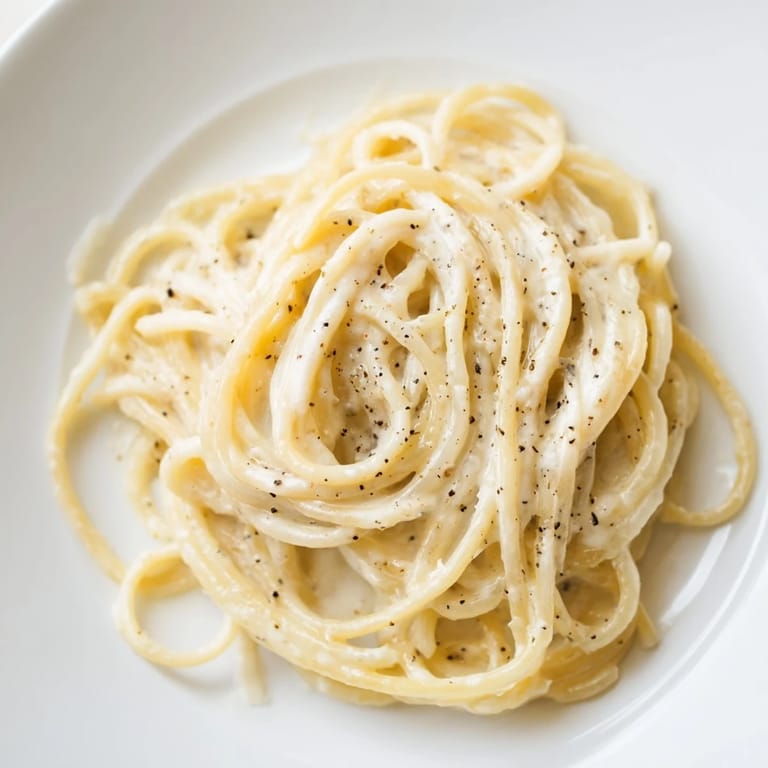
 This dish has become my measure of whether I'm really paying attention in the kitchen, because it demands presence and won't forgive distraction. Every time I make it, I'm reminded that the best food doesn't need to be complicated, it just needs to be made with care.
Frequently Asked Questions
- → Why is pasta water important in this dish?
Pasta water contains starch that helps emulsify the cheese and pepper, creating a creamy sauce without cream. The starch binds the cheese to the pasta, achieving the perfect silky consistency.
- → Can I use regular Parmesan instead of Pecorino Romano?
Yes, Parmigiano Reggiano works as a substitute, though it will produce a milder, less peppery flavor. Pecorino Romano has a sharper, saltier profile that defines the authentic dish.
- → How do I prevent the cheese from clumping?
Work quickly and stir vigorously while gradually sprinkling in the grated cheese. Keep the heat low and add reserved pasta water gradually to maintain the proper temperature and consistency.
- → Should I use freshly cracked or pre-ground black pepper?
Freshly cracked black pepper is essential for the best flavor. Pre-ground pepper loses its aromatic oils and won't provide the same bold, fresh peppery taste that defines this classic dish.
- → What wine pairs well with this pasta?
Crisp white wines like Vermentino or Pinot Grigio complement the rich, peppery flavors beautifully. Their acidity cuts through the richness of the cheese and enhances the peppery notes.
- → Can I make this dish dairy-free?
Traditional Cacio e Pepe requires cheese as a key ingredient, making it incompatible with dairy-free diets. The cheese is essential to creating the signature creamy sauce.