 Pin it
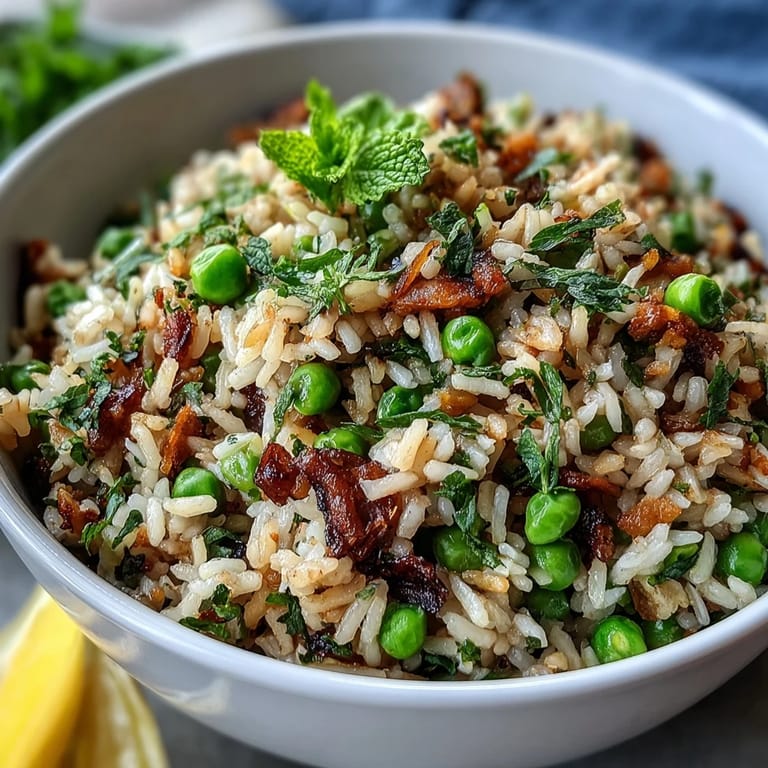
 There's something about the first warm afternoon in spring that makes you want to cook something bright and green. My neighbor showed up at the door with a basket of fresh peas from her garden, still in their pods, and suddenly I had to figure out what to do with them. Rice pilaf seemed like the obvious choice, but adding a generous handful of mint transformed it into something that tasted like the season itself—fresh, alive, and impossibly simple to make.
I made this for Easter dinner last year when my sister insisted on bringing ham, and everyone kept asking if the rice was store-bought because it was so fluffy and fragrant. The truth is, it was just rice that got coaxed gently with butter and broth, then finished with enough mint to make the whole kitchen smell like a garden. That's when I realized this pilaf wasn't just a side dish—it was the thing people actually came back for seconds of.
Ingredients
- Long-grain white rice (basmati or jasmine): These varieties stay separate and fluffy rather than clumping together; rinsing them first removes excess starch and prevents mushiness.
- Low-sodium vegetable broth: The liquid foundation that flavors the rice as it cooks, so choose one you'd actually taste on its own.
- Fresh spring peas: If you can find them in the pod, snap them open and taste one raw—that's the sweetness you're after, and frozen peas work just as well if fresh aren't available.
- Unsalted butter: It coats the rice and carries the flavor of the aromatics, so good butter actually matters here.
- Yellow onion and garlic: The aromatic base that softens and sweetens as they cook, building flavor from the ground up.
- Fresh mint leaves: Added at the end so they stay bright green and taste like actual mint rather than something faded and cooked down.
- Lemon zest: Just a whisper of it, but it lifts the whole dish and makes the mint taste even fresher.
- Salt and pepper: Taste as you go because you're building layers of flavor, not just seasoning at the end.
Tired of Takeout? 🥡
Get 10 meals you can make faster than delivery arrives. Seriously.
One email. No spam. Unsubscribe anytime.
Instructions
- Rinse the rice until the water runs clear:
- This removes the starchy coating that would otherwise make the grains stick together. Hold the rice under cool running water and rub it gently between your fingers—it only takes a minute but makes all the difference.
- Soften the onion in melted butter:
- Watch for that moment when the onion becomes translucent and soft, about 2 to 3 minutes, and your kitchen fills with a sweet, buttery smell. Don't rush this step because you're building the flavor foundation for everything that follows.
- Bloom the garlic briefly:
- Add the minced garlic and let it cook for just 30 seconds until fragrant—any longer and it'll turn bitter. You'll notice the smell shift from raw garlic to something toasted and warm.
- Toast the rice in the butter and aromatics:
- Stir the rinsed rice into the pan so every grain gets coated with the buttery, garlicky mixture. You're not trying to brown the rice, just make sure it's glistening and well combined.
- Add broth and bring to a boil:
- Pour in the vegetable broth, season with salt and pepper, and watch as the liquid heats up and starts to bubble. The rice will float to the surface at first, which is completely normal.
- Simmer gently, covered, for 15 minutes:
- Lower the heat so the rice is just barely bubbling underneath the lid, and resist the urge to peek. This gentle, undisturbed cooking is what gives you fluffy, separate grains.
- Add the peas and cook for 5 more minutes:
- Whether you're using frozen or fresh peas, they go in now and cook just until heated through. The frozen ones will thaw in the hot rice, and fresh ones will stay tender and sweet.
- Let it rest, covered, for 5 minutes:
- This resting period lets any remaining liquid absorb into the rice, making it fluffier and more cohesive. Use this time to get your serving dish ready.
- Fluff with a fork and finish with herbs:
- Break up any clumps gently, then stir in the fresh mint, parsley if you're using it, and lemon zest. The rice will go from pale to flecked with green, and the aroma will shift to something bright and garden-fresh.
- Taste, adjust, and serve:
- Pinch a grain of rice between your fingers and taste it—add more salt or pepper if needed because seasoning is personal. Serve it warm with lemon wedges on the side for anyone who wants an extra squeeze of brightness.
 Pin it
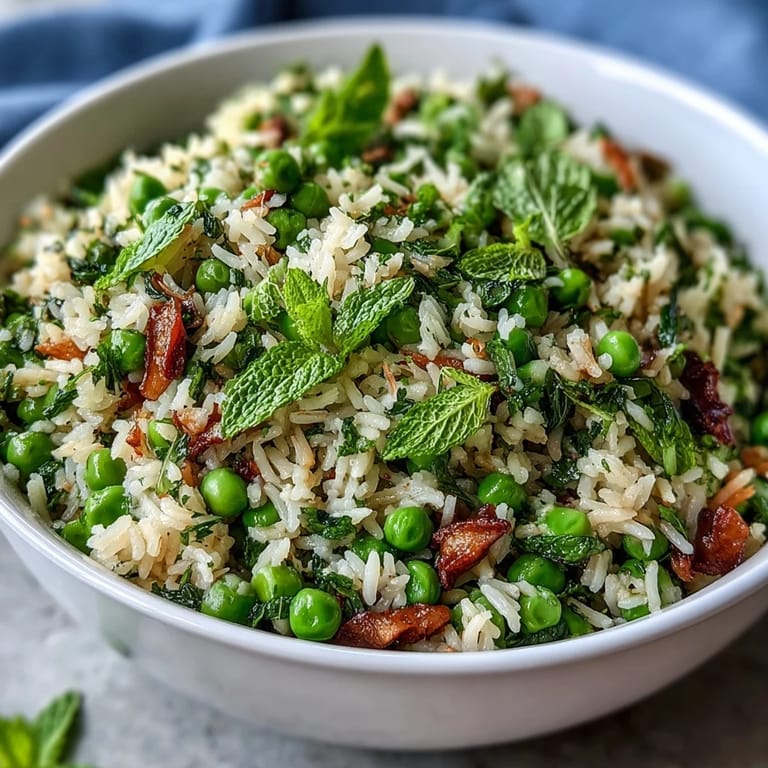
 There was a moment at that Easter dinner when my dad, who's not one for vegetables, went back for thirds of this pilaf and didn't even realize he was eating peas because the mint and lemon made everything taste so bright and interesting. That's when I understood that this recipe works because it respects the simplicity of spring vegetables instead of hiding them.
The Secret of Cooking Pilaf
The key to pilaf that actually works is the ratio of liquid to rice and the discipline to not stir it while it cooks. Most people think they need to fuss with rice, but pilaf is different—you toast the rice first, add the liquid, then leave it alone for 15 minutes to steam gently under a lid. I learned this the hard way after years of producing gummy, overworked rice, and now I actually look forward to making pilaf because I know exactly what I'm going to get.
When to Use Fresh Peas Versus Frozen
Fresh peas in the pod are a treasure when you can find them in spring, and there's something satisfying about snapping them open and tasting the raw sweetness. But honestly, frozen peas are picked and frozen at peak ripeness, so they're often sweeter and more tender than fresh peas that have been sitting in a grocery store for a week. Don't feel guilty reaching for frozen—just add them straight from the freezer without thawing, and they'll warm through perfectly in the hot rice.
Making It Your Own
This pilaf is a canvas more than a strict formula, and I've never made it the exact same way twice. The mint is non-negotiable, but everything else is flexible depending on what's in your garden or your crisper drawer. Chives, tarragon, or dill would all be beautiful here, and a handful of chopped scallions at the end adds a different kind of brightness that some people prefer to mint.
- For extra richness and a more complex flavor, replace half the butter with good olive oil and let that be your signature move.
- If you're making this ahead of time for a potluck or dinner party, reheat it gently in a covered pan with a splash of extra broth so it doesn't dry out.
- Leftovers are actually delicious cold the next day as a light lunch, and you can mix in some crumbled feta or goat cheese if you want to turn it into something more substantial.
 Pin it
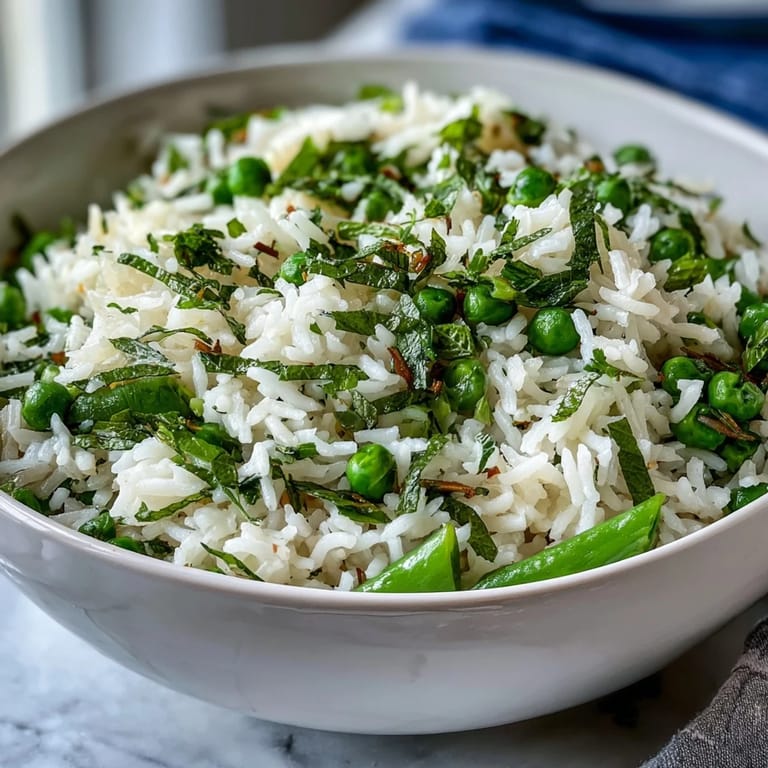
 This pilaf has become my go-to side dish because it makes everything feel like spring, even when you're eating it in the middle of winter with frozen peas. It's the kind of dish that makes you feel like a good cook without requiring any real skill, just attention and fresh ingredients.