 Pin it
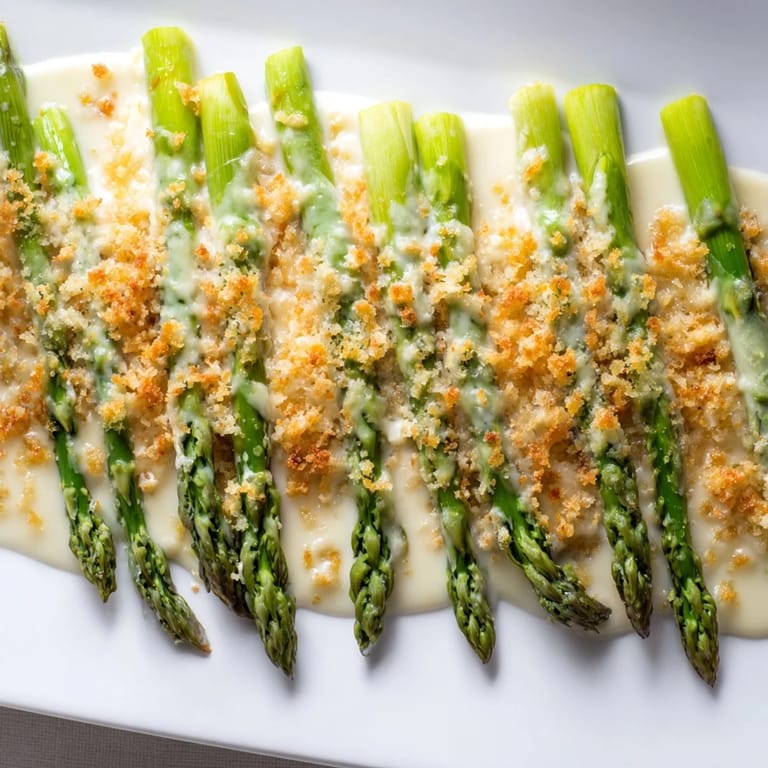
 My neighbor brought this asparagus casserole to a spring potluck years ago, and I watched it disappear faster than anything else on the table. When I finally asked for the recipe, she laughed and said it was nothing fancy, just cream and cheese doing what they do best. The first time I made it, the kitchen filled with this warm, buttery aroma that made my whole family gather before dinner was even ready. That's when I realized this dish isn't about complexity—it's about how a few good ingredients become something that tastes like comfort.
I made this for my mom during her favorite season, when the farmers market suddenly overflows with slim green spears. She took one bite and immediately started mentally planning her own dinner party. It became her go-to dish whenever she wanted to impress without spending hours in the kitchen, and now I can't make it without thinking of her sitting at the kitchen counter, stealing bites of breadcrumb topping straight from the baking dish.
Ingredients
- Fresh asparagus: Look for firm, bright-green spears with tightly closed tips—they blanch in just minutes and stay tender without turning mushy.
- Unsalted butter: You need two amounts here: some goes into the roux, and more gets tossed with breadcrumbs, so measure carefully.
- All-purpose flour: This is your thickener; don't skip whisking it into the butter properly or you'll end up with lumps.
- Whole milk and heavy cream: The combination gives you richness without being over the top; cream alone would be too heavy.
- Gruyère and Parmesan cheese: Gruyère melts beautifully and brings a subtle nuttiness, while Parmesan adds a sharp edge that brightens the whole dish.
- Salt, pepper, and nutmeg: The nutmeg is optional but worth trying—just a whisper of it elevates the cream sauce in a way you can't quite name.
- Fresh breadcrumbs: Toss them with melted butter so they toast evenly and turn golden rather than staying pale and chalky.
Tired of Takeout? 🥡
Get 10 meals you can make faster than delivery arrives. Seriously.
One email. No spam. Unsubscribe anytime.
Instructions
- Get your oven ready and grease the dish:
- Preheat to 400°F and lightly coat a medium baking dish with butter or cooking spray. A good grease prevents sticking and lets the casserole slide right out when it's done.
- Blanch and arrange the asparagus:
- Boil a large pot of salted water, drop in the asparagus, and let it dance for 2–3 minutes until it turns bright green and barely bends when you lift a spear. Pat it completely dry before laying it flat in the dish—any excess water dilutes your cream sauce.
- Build your cream sauce from the bottom up:
- Melt butter in a medium saucepan, sprinkle in flour, and stir constantly for about a minute. This is your roux, and it needs that time to cook out the raw flour taste.
- Add the milk and cream slowly:
- Whisk gradually so no lumps form; you're building a silky sauce, not a chunky mess. Keep whisking for 3–4 minutes until it coats the back of a spoon and looks thick enough to cling to the asparagus.
- Finish the sauce with cheese and seasonings:
- Remove from heat, stir in half the Gruyère and all the Parmesan, then taste and season with salt, pepper, and a tiny pinch of nutmeg if you're feeling adventurous. The cheese should melt completely into a glossy, cohesive sauce.
- Bring it all together:
- Pour the sauce evenly over the asparagus and scatter the remaining Gruyère across the top. This two-cheese approach gives you richness throughout and a toasted layer on top.
- Toast the breadcrumb topping:
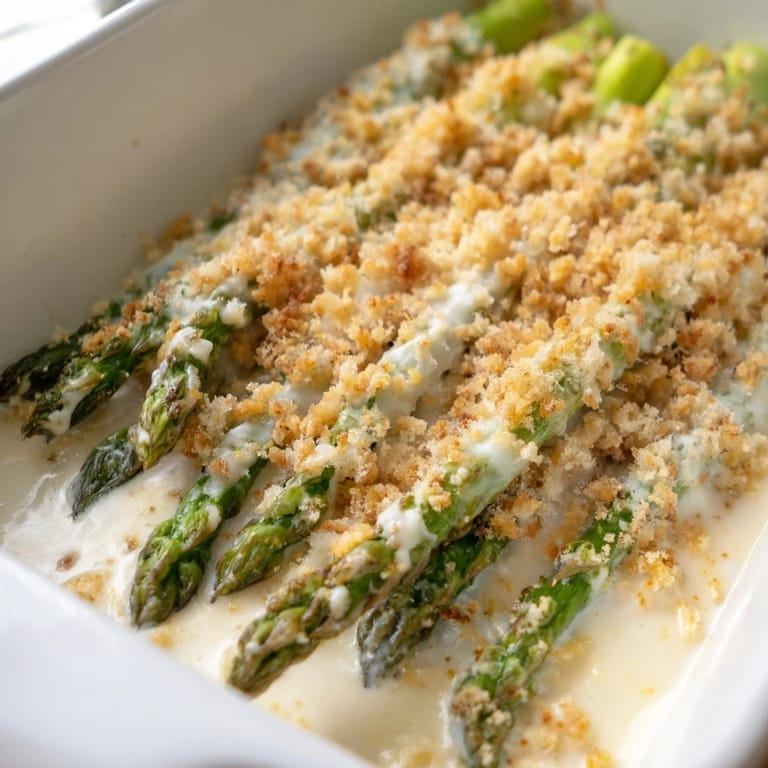
- Toss fresh breadcrumbs with melted butter in a small bowl so they're evenly coated, then sprinkle them generously over everything. Dry breadcrumbs alone turn tough; butter makes them golden and crispy.
- Bake until bubbly and golden:
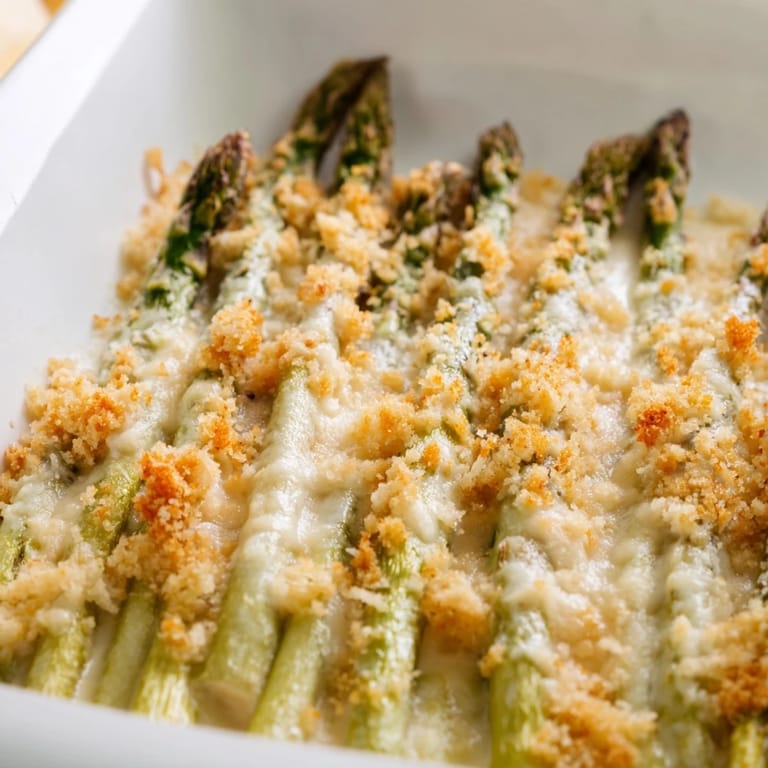
- Slide into the oven for 20–25 minutes. You're looking for gentle bubbling around the edges and a toasted-brown crust on top—not burnt, just golden and inviting.
- Rest before serving:
- Let it sit for 5 minutes out of the oven so the sauce sets just enough to hold its shape on the plate.
 Pin it
 Years ago, I brought this to a dinner where someone's elderly mother tasted it and got quiet for a moment. She told me it reminded her of a casserole her own mother used to make, and suddenly the table shifted into stories and laughter. That's when I understood that feeding people isn't really about the recipe—it's about the space you create for them to feel cared for and remembered.
Why Fresh Asparagus Matters
Spring asparagus is different from what you find in winter; it's thinner, sweeter, and more delicate. The moment you blanch it, the flavor becomes bright and alive instead of dull and starchy. I learned this the hard way by trying to stretch a winter bunch through early April, and the texture was all wrong—soggy instead of snappy. Now I wait for April, and when those slim green spears show up at the market, I buy them immediately because I know the casserole is about to taste like spring itself.
Making It Your Own
This recipe is a canvas, not a prison. I've seen people add sautéed mushrooms, crispy bacon bits, or fresh herbs without losing the soul of the dish. The cream sauce is forgiving enough to hold onto its character while embracing whatever you want to add. The only thing I'd warn against is getting too creative with the cheese—some combinations work, but others compete for space and muddy the flavor.
Timing and Make-Ahead Wisdom
You can prepare this casserole hours in advance and bake it when you're ready, which makes it perfect for entertaining. I've assembled it in the morning and baked it at dinner time without any trouble. The breadcrumb topping stays crunchier if you add it just before baking rather than letting it sit, so save that step for the final moments before the oven.
- Gruyère and Swiss cheese are your best friends here—they melt smoothly and taste refined, while cheddar can turn grainy if you're not careful.
- If your breadcrumbs are store-bought and stale, pulse them with a pinch of salt in a food processor for fresher texture.
- Serve this alongside roasted chicken, a simple salad, or grilled steak—it's flexible enough to work with almost anything.
 Pin it
 This casserole sits somewhere between comfort and elegance, which is exactly where food should live. Make it when you want to feel like you've done something special without the stress of complicated techniques.
Frequently Asked Questions
- → How do you keep asparagus tender and green?
Blanch asparagus briefly in boiling salted water for 2-3 minutes, then drain and pat dry to preserve its bright color and tenderness.
- → What cheeses work best for the creamy sauce?
Gruyère provides a nutty flavor and smooth melt, while Parmesan adds sharpness. Swiss can be substituted for Gruyère if preferred.
- → How is the sauce thickened without lumps?
Butter and flour are cooked together to form a roux, then milk and cream are whisked gradually to create a smooth, thickened sauce.
- → Can I add other flavors to the topping?
Yes, mixing chopped chives or a pinch of garlic powder into the breadcrumbs enhances flavor and adds an aromatic touch.
- → What temperature and time are best for baking?
Bake in a preheated 400°F (200°C) oven for 20-25 minutes until bubbly and golden brown on top.
- → Is this dish suitable for vegetarians?
Yes, this casserole contains no meat and features vegetables and dairy, making it appropriate for a vegetarian diet.