 Pin it
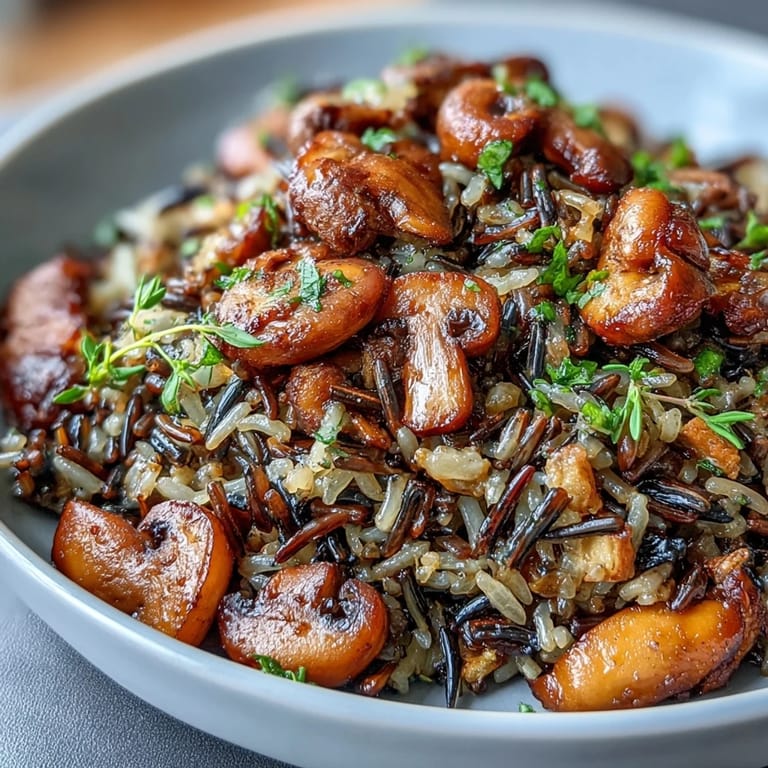
 My first encounter with wild rice came during a crisp autumn when a friend handed me a container of this nutty grain with the simple instruction: don't overcook it. That evening, watching the rice transform as it simmered, I realized how the earthy flavor paired perfectly with mushrooms I'd sautéed until golden. It became the dish I reach for when I want something that tastes both elegant and deeply comforting, without any fuss.
I made this for my sister's dinner party when she'd just gone vegetarian, nervous that she'd feel like I was serving her a consolation prize. Instead, the conversation shifted around the table to how complex the flavors were, and someone asked for seconds before the main course arrived. That moment taught me that good food speaks louder than any apology or accommodation.
Ingredients
- Wild rice: Rinsing removes surface starch and prevents clumping; it cooks slower than regular rice but rewards you with a chewy, almost popcorn-like texture that's entirely its own thing.
- Vegetable broth: Low-sodium lets you control the salt and taste the rice's natural flavor, which is the whole point.
- Olive oil: Use good quality since you'll taste it directly; it carries the flavor of everything cooked in it.
- Cremini or button mushrooms: Don't skip the sautéing step, because that's where the magic happens as they release moisture and concentrate their flavor into something deeper.
- Onion, garlic, celery, carrot: This aromatic base is your flavor foundation, and taking time to chop them evenly means they cook at the same rate.
- Fresh thyme: The dried version works in a pinch, but fresh thyme adds a brighter note that feels less like medicine and more like a kitchen garden visit.
- Fresh parsley: Stirred in at the end, it adds a pop of freshness that cuts through the earthiness and reminds your palate that you're eating something alive and green.
Tired of Takeout? 🥡
Get 10 meals you can make faster than delivery arrives. Seriously.
One email. No spam. Unsubscribe anytime.
Instructions
- Start the wild rice:
- Bring the rinsed rice, broth, and water to a boil in a covered saucepan, then lower the heat and let it simmer undisturbed. You'll hear the occasional gentle bubbling sound, which means everything is working the way it should.
- Build your aromatic base:
- While the rice cooks, warm olive oil in a large skillet and add your onion, celery, and carrot. They'll soften in about five minutes, releasing their sweetness and filling your kitchen with that golden, welcoming smell.
- Develop the mushroom flavor:
- Add minced garlic and sliced mushrooms to the vegetables, stirring occasionally as they release their moisture. Don't rush this step; the mushrooms need seven to eight minutes to transform from pale and water-logged to golden and concentrated.
- Season and combine:
- Stir in the thyme and bay leaf, taste the mixture, then gently fold in the cooked wild rice once it's tender. The bay leaf comes out now, having done its job of adding a subtle background note.
- Finish and serve:
- Transfer everything to a serving dish while it's still warm, scatter parsley and optional toasted almonds across the top, and serve immediately so the rice stays at its best temperature.
 Pin it
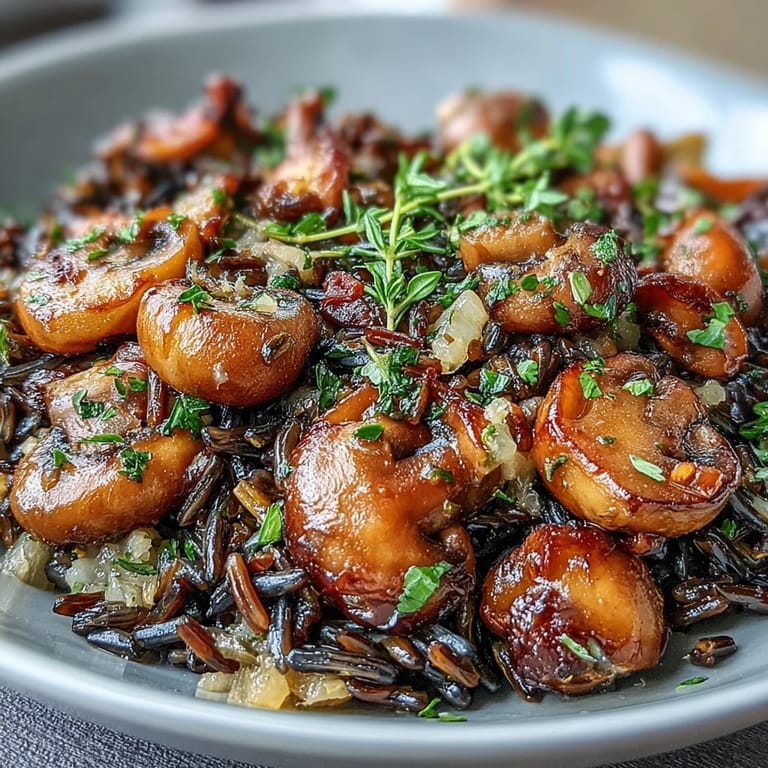
 There's a moment while this dish simmers when the house fills with the aroma of thyme and sautéed mushrooms, and suddenly cooking feels less like a task and more like an act of care. That's when I know this recipe has done what food does best: transformed simple ingredients into something that makes people want to linger at the table.
The Art of Mushroom Cooking
I learned the hard way that mushrooms are actually filled with water, and they won't brown until that moisture evaporates. The key is patience and a hot enough skillet that you hear them sizzle instead of steam. Once you see them turning golden and the pan looks almost dry, you know the concentrated mushroom flavor has emerged, and that's your signal to move forward.
Wild Rice: Worth the Wait
Wild rice takes longer to cook than white or brown rice, but the payoff is real. The slight chewiness and nutty undertone add texture and depth that regular rice simply can't match. I've learned to embrace those forty-five minutes as time to prep everything else without feeling rushed, turning the cook time into a feature rather than a drawback.
Making It Your Own
This pilaf is forgiving enough to adapt to what's in your kitchen. I've added a splash of dry white wine when sautéing the mushrooms, and it deepened the flavor noticeably. I've also mixed wild rice with brown rice to stretch the batch, creating a slightly different texture that still tastes delicious.
- A quarter cup of toasted slivered almonds adds a satisfying crunch and richness without overwhelming the earthy flavors.
- If mushrooms aren't your thing, roasted root vegetables work beautifully and give you the same satisfaction.
- Make extra and reheat it gently the next day, though it's honestly best enjoyed warm and fresh from the skillet.
 Pin it
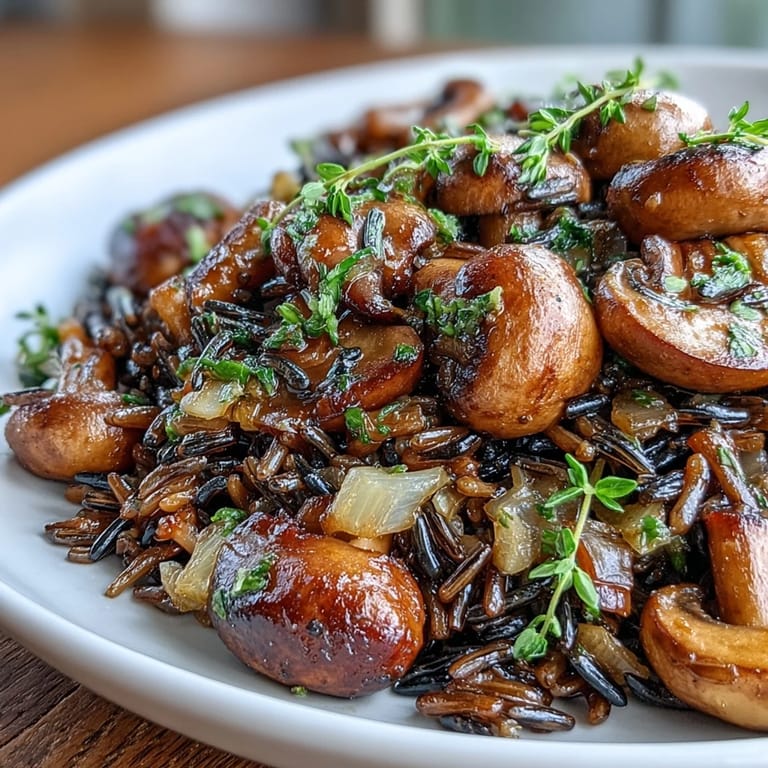
 This pilaf has become my quiet victory in the kitchen, the dish that proves you don't need complicated techniques or a long ingredient list to create something genuinely delicious. Make it once and it'll become a friend you turn to again and again.
Frequently Asked Questions
- → What makes wild rice different from regular rice?
Wild rice is actually a semi-aquatic grass rather than true rice. It has a distinct nutty flavor, chewy texture, and longer grains that hold their shape well during cooking. The outer hull splits open when done, revealing the tender interior.
- → Can I prepare this dish ahead of time?
Absolutely. Cook the wild rice and sautéed vegetables separately, then combine and refrigerate for up to 2 days. Reheat gently with a splash of broth or water to refresh the grains. The flavors often develop and improve overnight.
- → What vegetables work best in this pilaf?
Cremini or button mushrooms provide excellent earthy flavor, but shiitake or portobello mushrooms work wonderfully too. The classic mirepoix base of onion, celery, and carrot adds depth and sweetness. Feel free to add diced bell peppers or shredded Brussels sprouts for extra texture.
- → How do I know when wild rice is fully cooked?
Wild rice is done when the grains are tender but still slightly chewy, and many of the hulls have burst open revealing the white interior. This typically takes 40-45 minutes. Taste a few grains—if they're still hard or crunchy, continue simmering with additional liquid if needed.
- → What proteins pair well with this pilaf?
This pilaf complements roasted chicken, turkey, or pork beautifully. For vegetarian meals, serve alongside grilled tofu, tempeh, or simply top with toasted nuts and extra cheese. It also works well as a stuffing for acorn squash or bell peppers.