 Pin it
 My kitchen smelled like a citrus grove the morning my neighbor stopped by with a bag of blood oranges from her tree, and I suddenly had the wild idea to bake something that would capture that moment. These overnight orange rolls came together almost by accident—a way to use up those gorgeous fruits and create something that felt special without requiring me to wake up at dawn kneading dough. There's something deeply satisfying about mixing up a dough the evening before, tucking it into the fridge, and waking to the promise of fresh-baked rolls that practically finish themselves. The zest goes into three different places, building layers of citrus flavor that surprise you with each bite. Best of all, the overnight rest transforms the dough into something impossibly tender.
I made these for a brunch party last spring and watched people's faces light up when they bit into that citrus filling—it was the kind of moment that made me realize breakfast food could be genuinely exciting. One guest asked if I'd bought them from a bakery, and I just smiled into my coffee. That compliment, paired with how effortlessly the overnight rise had made my morning, sealed it: this recipe was a keeper.
Ingredients
- All-purpose flour: The foundation that gives these rolls their tender crumb; measure by spooning into your measuring cup rather than scooping directly, or you'll end up with dense rolls.
- Granulated sugar: A touch of sweetness in the dough that feeds the yeast and creates a subtle golden crust.
- Instant dry yeast: This reliable workhorse means your dough rises predictably overnight without any guesswork.
- Salt: Not just for flavor—it regulates yeast activity and keeps the dough from rising too aggressively in the fridge.
- Whole milk, lukewarm: Cold milk will shock your yeast; aim for around 110°F, roughly the temperature of a warm bath.
- Unsalted butter, melted and softened: The melted portion goes into the dough for richness, while the softened butter creates that luscious filling layer.
- Large eggs, room temperature: Room-temperature eggs incorporate smoothly into the dough, creating a more cohesive texture than cold ones.
- Fresh orange zest: This is your secret weapon—two whole oranges worth goes into the dough, one orange worth into the filling, and a touch more for the glaze, building a flavor that's unmistakably citrus but never overwhelming.
- Powdered sugar and fresh orange juice for the glaze: Freshly squeezed juice makes a difference; bottled can taste flat by comparison.
Tired of Takeout? 🥡
Get 10 meals you can make faster than delivery arrives. Seriously.
One email. No spam. Unsubscribe anytime.
Instructions
- Combine your dry ingredients:
- Whisk flour, sugar, yeast, and salt in your largest bowl—this distributes the yeast evenly so your dough rises consistently. I like using a balloon whisk because it breaks up any yeast clumps that might otherwise create dead zones in your dough.
- Mix the wet ingredients separately:
- In another bowl, combine lukewarm milk, melted butter, eggs, and the zest of two fresh oranges, stirring until the color is flecked with green. The milk should feel warm to your inner wrist but not hot; anything above 130°F will kill your yeast.
- Bring it together:
- Pour the wet mixture into the dry and stir until a shaggy, sticky dough forms that looks almost rough. Don't worry if it seems loose—this is exactly what you want.
- Knead until smooth:
- Using a stand mixer with the dough hook or your hands, knead for 7 to 8 minutes until the dough becomes smooth, elastic, and springs back when you poke it. Your kitchen will smell unbelievably good at this stage.
- First rise in a warm spot:
- Transfer to a greased bowl, cover with plastic wrap, and let sit for 1 to 2 hours in a warm place—the top of your fridge, a sunny windowsill, or even inside your oven with the light on. You're looking for the dough to roughly double.
- Shape your rolls:
- Punch down the risen dough and roll it out on a lightly floured surface into a 10-by-16-inch rectangle, working gently so you don't deflate all the air you've built up. Spread softened butter over the entire surface, then sprinkle with sugar and the zest of one more orange for the filling.
- Roll and cut:
- Starting from the longer edge, roll the dough up tightly like a log, pressing gently as you go. Using a sharp knife dipped in water or a length of dental floss held taut, cut the roll into 12 even pieces—the water or floss prevents the filling from squishing out.
- Arrange and refrigerate overnight:
- Place rolls in a greased 9-by-13-inch baking dish, cover tightly with plastic wrap, and slide into the refrigerator. The cold overnight rest lets the flavors deepen and makes the dough more manageable for the final rise.
- Morning rise:
- About an hour before baking, remove the rolls from the fridge and let them come to room temperature on the counter, uncovered. They'll puff up noticeably as they warm, becoming soft and pillowy—this takes 45 to 60 minutes depending on how warm your kitchen is.
- Bake until golden:
- Preheat your oven to 350°F while the rolls finish their final rise, then bake for 22 to 25 minutes until the tops turn a beautiful golden brown. The centers should feel slightly soft when you press them, not rock-hard.
- Glaze while warm:
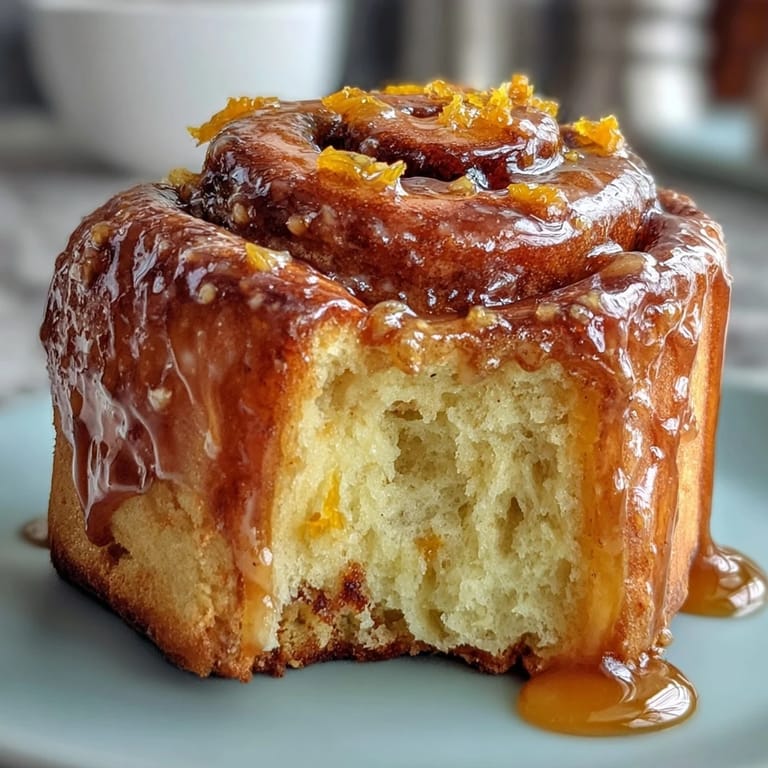
- As the rolls bake, whisk together powdered sugar, fresh orange juice (start with 2 tablespoons and add more if you like a thinner glaze), and a bit more orange zest. Drizzle over the warm rolls straight from the oven so it soaks in slightly and creates a beautiful, glossy finish.
 Pin it
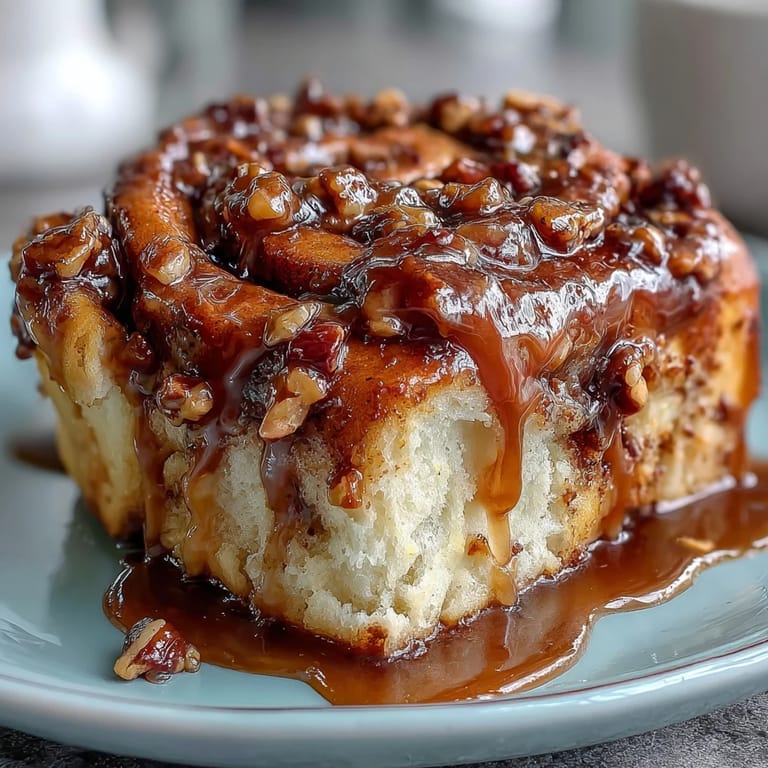
 There was a quiet moment one weekend when I pulled these rolls from the oven and the glaze began to set, turning translucent and glossy in the light—my partner walked in and just stood there breathing in that orange-scented steam, and we didn't need to say anything. That's when breakfast food stops being just breakfast and becomes a small ritual worth repeating.
Why Overnight Dough Changes Everything
The magic of making these rolls the night before isn't just convenience—though that's certainly nice. The cold overnight rise develops flavor in a way that a quick same-day rise simply cannot, building complexity that makes people pause and say these taste like something special. Your yeast works slowly in the cold, creating subtle tanginess and depth. By morning, you're not actually making dough; you're just finishing something that's already become extraordinary.
Fresh Zest Makes the Difference
I learned this the hard way after once trying to use bottled orange zest—the rolls tasted fine, but they lacked that bright, almost floral quality that makes people wonder what secret ingredient you've hidden inside. Fresh zest from actual oranges provides oils that capture the true flavor of the fruit in a way nothing else can match. If you're going to make these, take two minutes to zest fresh oranges; it transforms the entire experience.
Storage and Serving Suggestions
These rolls stay soft for about two days covered loosely on the counter, though they're honestly best eaten the morning they're baked when the glaze is still glossy and the crumb is at its peak. You can also freeze the shaped, unrisen rolls in the baking dish before the overnight refrigeration—just thaw them overnight in the fridge and proceed as normal.
- Pair these with strong black tea or coffee that can stand up to the citrus brightness without getting overwhelmed.
- They're equally at home on a fancy brunch table or as a casual Friday morning treat with your family.
- If you want to make them richer, substitute half the milk with fresh orange juice for an even more pronounced citrus flavor.
 Pin it
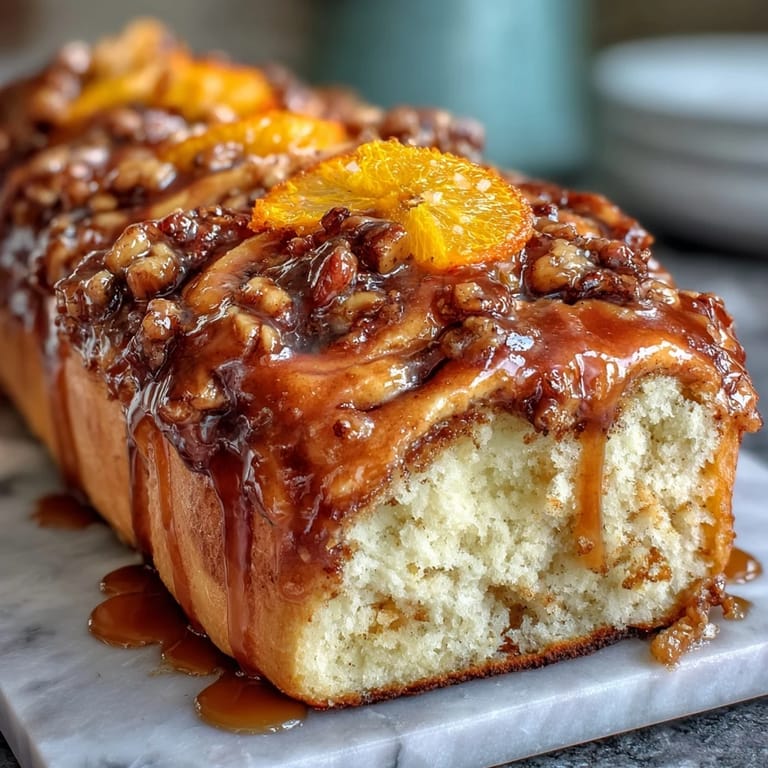
 These rolls transformed the way I think about breakfast—proof that taking a little extra time the night before can gift you something genuinely special when you need it most. Once you've made them once, you'll find yourself planning brunches just so you have an excuse to bake them again.
Frequently Asked Questions
- → How long should the dough rise?
The dough should rise for 1-2 hours until it doubles in size before shaping. After rolling and cutting, refrigerate overnight for a slow, cold rise.
- → Can I substitute milk with orange juice?
Yes, substituting half the milk with orange juice adds extra citrus flavor and richness to the dough.
- → What’s the best way to cut the rolls evenly?
Use a sharp knife or clean dental floss to cut the rolled dough into 12 even pieces for uniform baking.
- → Can I add spices to the filling?
A pinch of cardamom in the filling complements the orange zest by adding a subtle warm, spiced note.
- → How do I make the glaze smooth?
Whisk powdered sugar, fresh orange juice, and orange zest together until the glaze is silky and free of lumps.
- → What temperature and time are best for baking?
Bake the rolls at 350°F (175°C) for 22-25 minutes until they turn golden brown and cooked through.